

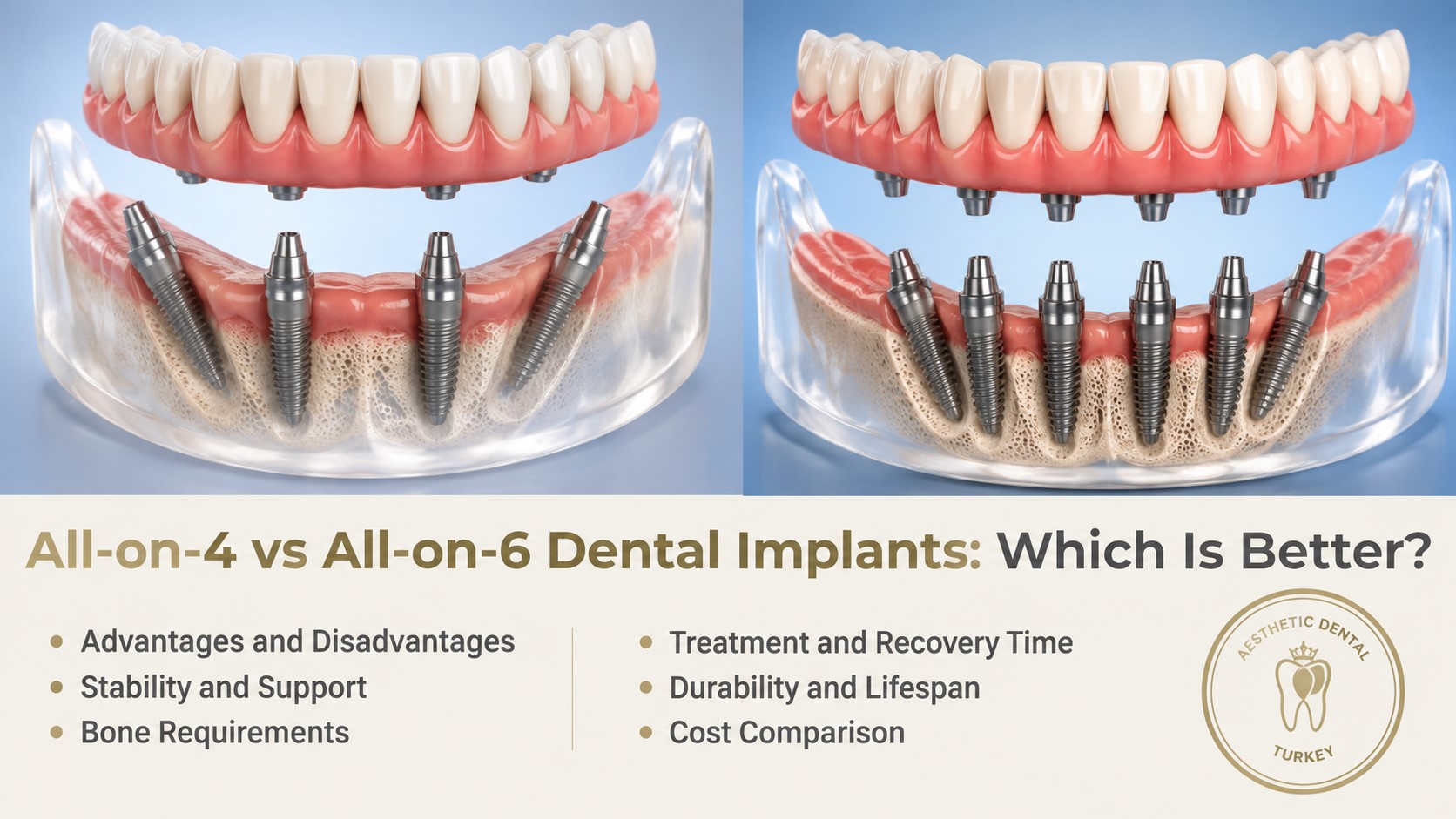
All-on-4 uses four implants to support a fixed full-arch bridge and may be suitable when available bone is more limited. All-on-6 uses six implants and can provide broader support when sufficient bone is available. Neither option is automatically better; the choice depends on bone anatomy, bite, oral health and CBCT findings.
What Are All-on-4 and All-on-6 Dental Implants?
All-on-4 and All-on-6 are popular treatments used to replace a full set of missing teeth with new fixed teeth.
Four dental implants support a full arch of teeth with All-on-4. With All-on-6, six implants are used for the same purpose.

Both treatments require suitable bone at the planned implant sites and a bridge designed for your bite.
Both options are fixed, so you do not take them out like removable dentures.
Why Do International Patients Choose Antalya for Full-Arch Dental Implants?
Antalya is a popular destination in Turkey for All-on-4 and All-on-6 dental implant treatments, particularly among international patients. Dental clinics in the city commonly offer digital imaging, CBCT-based treatment planning and coordinated treatment services for patients travelling from abroad. Because full-arch implant treatment may involve a surgical stage, a healing period and the fitting of the final bridge, international patients should also consider the number of visits required and the recommended length of stay when planning treatment in Antalya. Whether All-on-4 or All-on-6 is more suitable should be determined individually after assessing bone volume, jaw anatomy, oral health and the planned prosthetic restoration.
What Is the Difference Between All-on-4 and All-on-6 Dental Implants?
| Feature | All-on-4 | All-on-6 |
|---|---|---|
| Number of implants | 4 | 6 |
| Full-arch fixed bridge | Yes | Yes |
| Bone requirements | May make efficient use of available bone | Requires suitable bone at more implant sites |
| Support | 4 supporting implants | 6 supporting implants |
| Bone grafting | May sometimes be avoided | May be required if bone is insufficient |
| Healing period | Often around 3–6 months | Often around 3–6 months |
| 2026 Turkey cost | £3,000–£5,500 / jaw | £3,800–£6,700 / jaw |
The main difference is simple. The dentist uses four implants for All-on-4 and six implants for All-on-6.
All-on-6 requires sufficient healthy bone at all six planned implant sites.
All-on-4 can be a good choice when available bone is more limited to make efficient use of the existing bone and avoid additional procedures such as bone grafting when clinically possible.
A clinical examination and CBCT scan help the dentist assess bone quality, implant positions and your bite before recommending either option.
How Are Implants Positioned in All-on-4 vs All-on-6?
In a typical All-on-4 treatment, two implants are placed toward the front of the jaw and two posterior implants are angled to make efficient use of the available bone.
All-on-6 uses six sites distributed along the arch. Their exact positions and angles are planned around the available bone, anatomical structures and the design of the final bridge; there is no single layout suitable for every jaw.
All-on-4 vs All-on-6: Stability and Support
Both options can provide stable fixed teeth when properly planned and placed. All-on-6 adds two supporting points, which can help distribute biting forces across more implants.
However, All-on-6 is not automatically better for everyone. Bone quality, implant positions and bridge design matter alongside the number of implants.
All-on-4 vs All-on-6: Bone Requirements
If you are considering All-on-6, sufficient bone volume and quality are needed in the areas where all six implants will be placed. This can sometimes make All-on-6 more demanding in terms of available bone than All-on-4.
All-on-4 is designed to make efficient use of the available jawbone. The posterior implants are often placed at an angle, which may help avoid anatomical areas with limited bone and reduce the need for bone grafting in some patients.
However, All-on-4 does not mean that bone grafting can always be avoided. If there is insufficient bone volume or quality to achieve adequate implant stability, additional procedures such as bone grafting or a sinus lift may still be required.
A CBCT scan allows the dentist to evaluate the amount, quality and distribution of the available bone before deciding whether All-on-4, All-on-6 or another treatment approach is more suitable.
What Is the All-on-4 and All-on-6 Treatment Process?
The All-on-4 and All-on-6 treatment process usually involves several stages, from the initial examination and digital planning to implant placement, healing and the fitting of the final fixed bridge. The exact treatment plan can vary depending on your oral health, bone structure, number of remaining teeth and whether additional procedures are required.
1. Consultation and CBCT Scan
The first step is a detailed dental consultation. Your dentist examines your teeth, gums, bite and overall oral health. A CBCT scan is usually taken to assess your jawbone in three dimensions, including bone volume, bone quality and important anatomical structures.
This information helps determine whether All-on-4, All-on-6 or another implant treatment may be more suitable for you.
2. Treatment Planning
After the examination and CBCT scan, your dentist creates a personalised treatment plan. This includes deciding how many implants are needed, where they should be positioned and whether any additional procedures, such as bone grafting, may be required.
The type of temporary and final bridge, implant system and overall treatment timeline are also planned at this stage.
3. Tooth Extraction If Required
If you still have teeth that are severely damaged, loose or cannot be predictably saved, they may need to be removed before or during implant surgery.
In suitable cases, tooth extractions and implant placement may be performed during the same surgical appointment. However, this depends on the condition of the bone, gums and remaining teeth.
4. Implant Placement
During surgery, the dental implants are placed into the jawbone according to the treatment plan.
All-on-4 uses four implants to support a full-arch bridge, while All-on-6 uses six implants. The exact position and angle of each implant depend on your jaw anatomy, bone availability and prosthetic requirements.
5. Temporary Fixed Teeth
In suitable cases, a temporary fixed bridge may be attached shortly after implant placement. This allows you to have fixed teeth during the healing period instead of wearing a removable denture.
Immediate temporary teeth are not suitable for every patient. The decision depends on factors such as implant stability, bone quality, bite forces and the overall surgical situation.
6. Healing and Osseointegration
After implant placement, the implants need time to integrate with the jawbone. This biological process is called osseointegration.
Healing commonly takes around 3 to 6 months, although the exact period varies between patients. During this time, you may be advised to follow a softer diet and avoid excessive pressure on the temporary bridge.
7. Final Fixed Bridge
Once healing is complete and the implants are stable, the temporary teeth can be replaced with the final fixed bridge.
The final bridge is designed according to your bite, facial proportions and treatment plan. Your dentist will also check the fit, function and bite before completing the treatment.
Regular dental check-ups, professional maintenance and good daily oral hygiene are important after treatment to help maintain the implants, gums and bridge over the long term.
All-on-4 vs All-on-6: Treatment and Recovery Time
The surgical appointment may take several hours for one jaw, depending on the complexity of the case, extractions and any additional procedures required.
You may have swelling, soreness and bruising for the first few days. Many patients feel considerably better after about one week, although recovery varies from person to person.
The implants then need time to integrate with the jawbone, a biological process known as osseointegration. This usually takes around 3 to 6 months for both treatments, although the exact healing period varies.
All-on-6 does not automatically mean a longer recovery. Your bone quality, the number of extractions, whether bone grafting is required, the complexity of the surgery and your general health can have a greater influence on recovery than the number of implants alone.
All-on-4 vs All-on-6: Durability and Lifespan
Dental implants are designed to be a long-term treatment and can remain functional for many years. In suitable patients, implants may last for decades with good oral hygiene, appropriate maintenance and regular dental check-ups.
It is important to distinguish between the dental implants themselves and the full-arch bridge attached to them. The implants may remain stable for many years, while the bridge or some of its components may require maintenance, repair or replacement over time because of normal wear.
All-on-6 does not automatically last longer than All-on-4. A long-term comparative study found no significant overall difference in implant or prosthesis survival between the groups, although individual clinical factors may affect outcomes.
Important factors affecting long-term success include bone quality, bite forces, implant position, oral hygiene, smoking, general health and regular professional maintenance.
All-on-4 vs All-on-6: Cost Comparison
| Treatment | Approximate Cost per Jaw |
|---|---|
| All-on-4 | £3,000–£5,500 |
| All-on-6 | £3,800–£6,700 |
Prices are approximate and may vary depending on the implant system, prosthetic material, number of extractions, additional procedures and individual treatment requirements.
All-on-6 is usually more expensive than All-on-4 in Turkey.
The reason is simple. All-on-6 requires two additional implants, additional abutments and more implant components, which can increase both surgical and material costs.
The implant brand, bridge material, number of extractions, need for bone grafting or sinus lifting and the clinic can also affect the final price.
What Are the Advantages and Disadvantages of All-on-4?
Advantages
- Uses only four implants to support a full arch of fixed teeth.
- Can make efficient use of the available jawbone.
- Angled posterior implants may help avoid bone grafting in some suitable patients.
- Fewer implants are required compared with All-on-6, although the overall complexity of surgery depends on the individual case.
- Usually costs less than All-on-6.
Disadvantages
- Uses fewer implants to support the full-arch bridge.
- Biting forces are distributed across four implants rather than six.
- If an implant develops a significant problem or fails, it can affect the support and treatment plan for the bridge.
- It may not be the preferred option for every patient, particularly when the bite, bone anatomy or other clinical factors indicate that additional implant support would be beneficial.
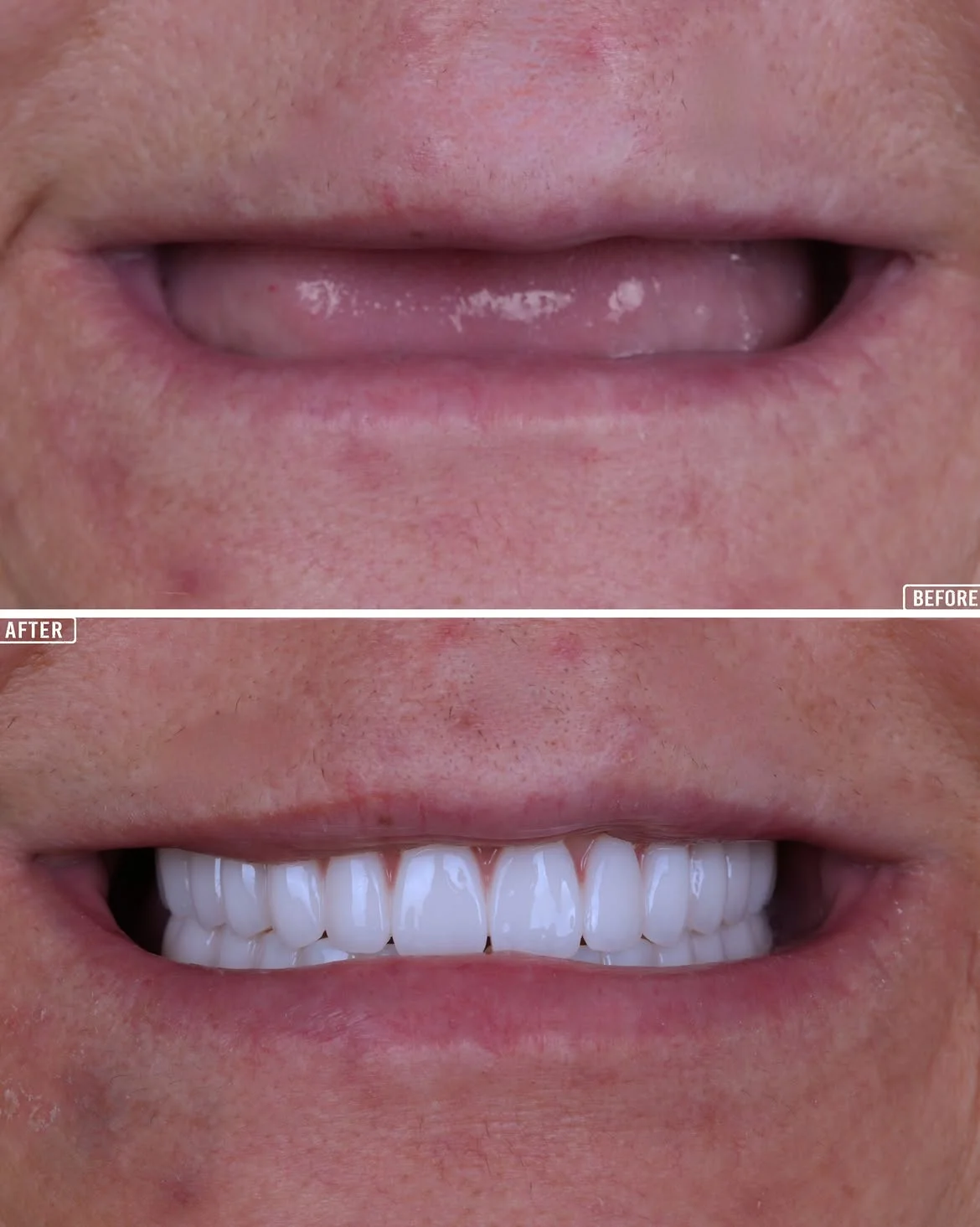
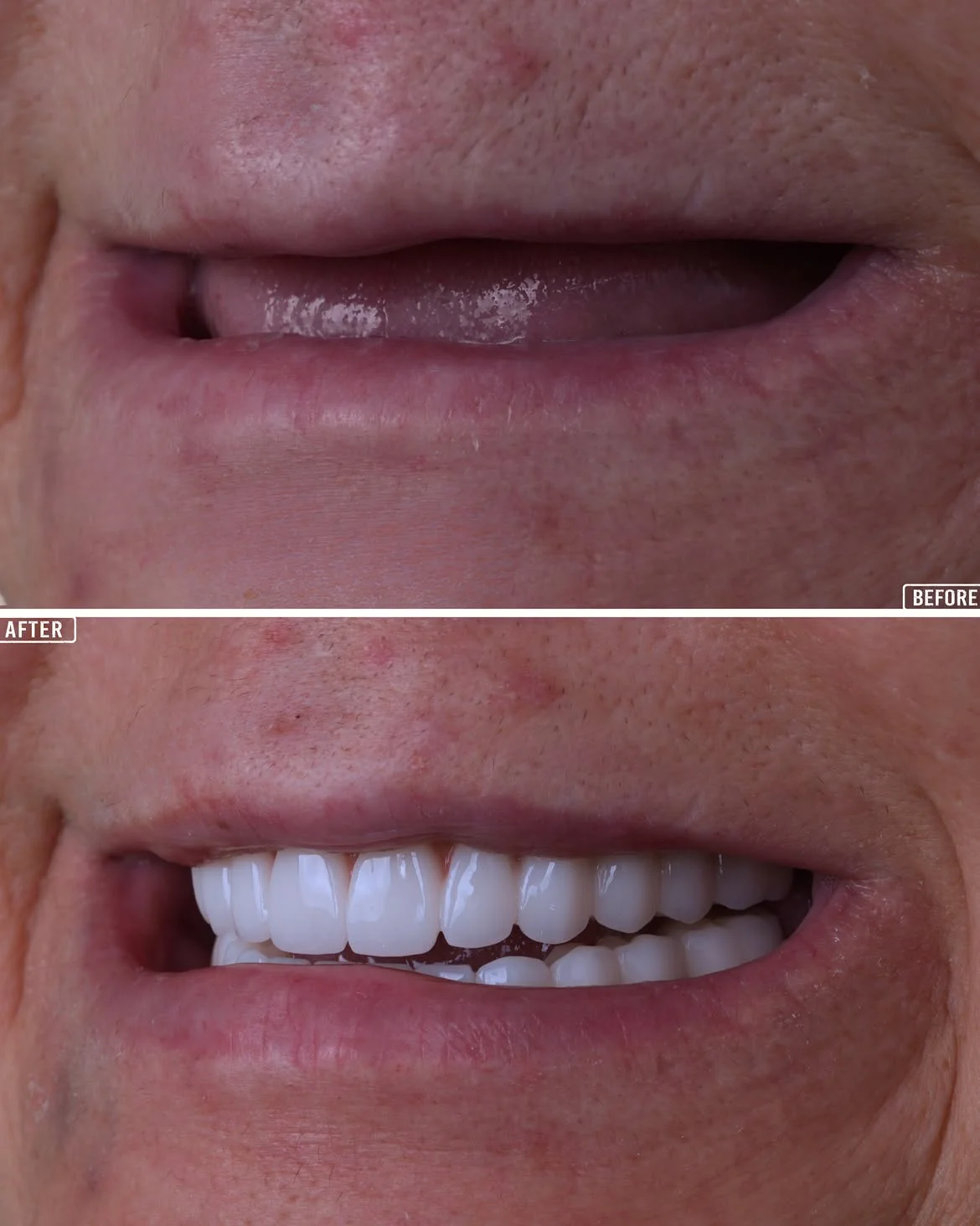
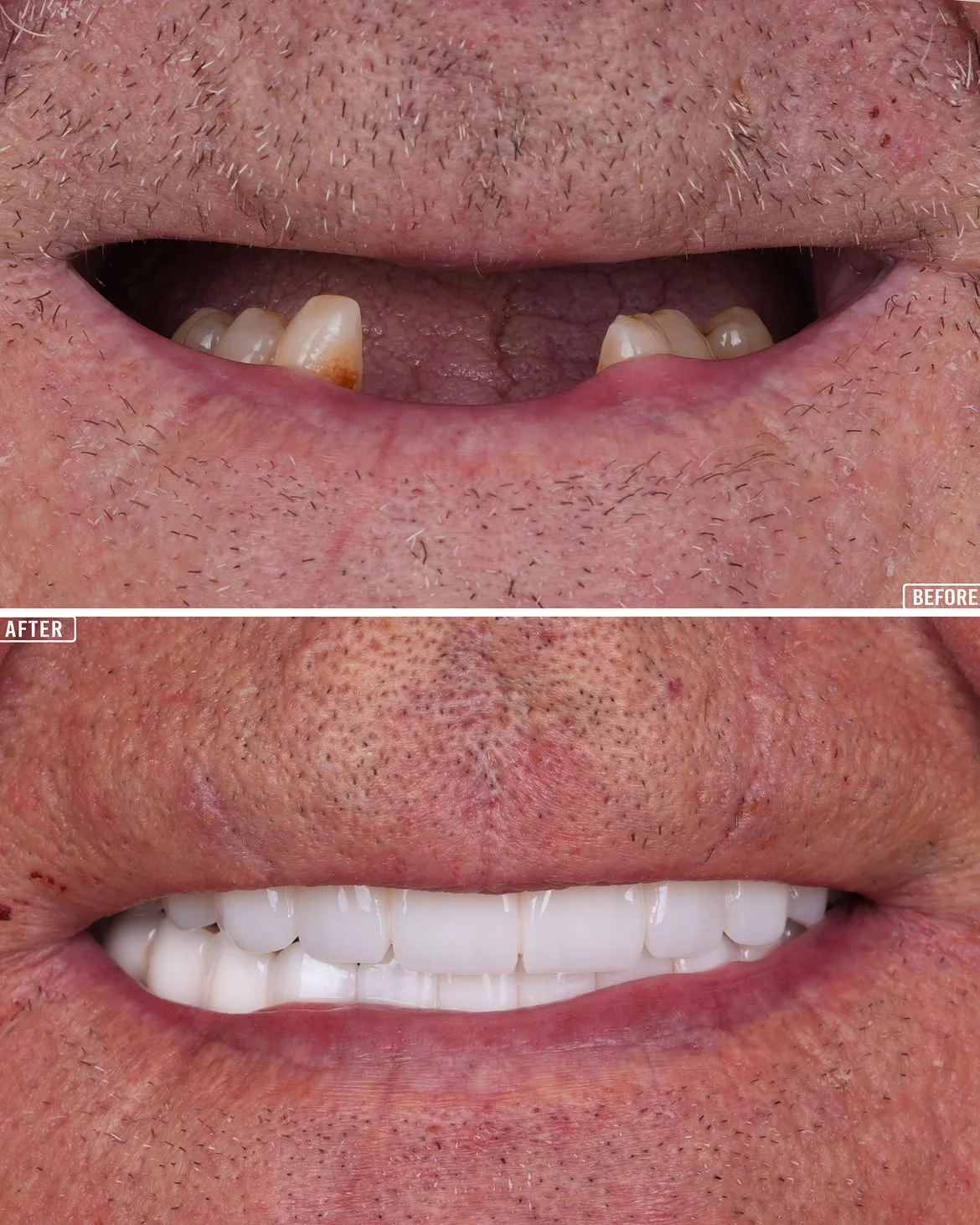
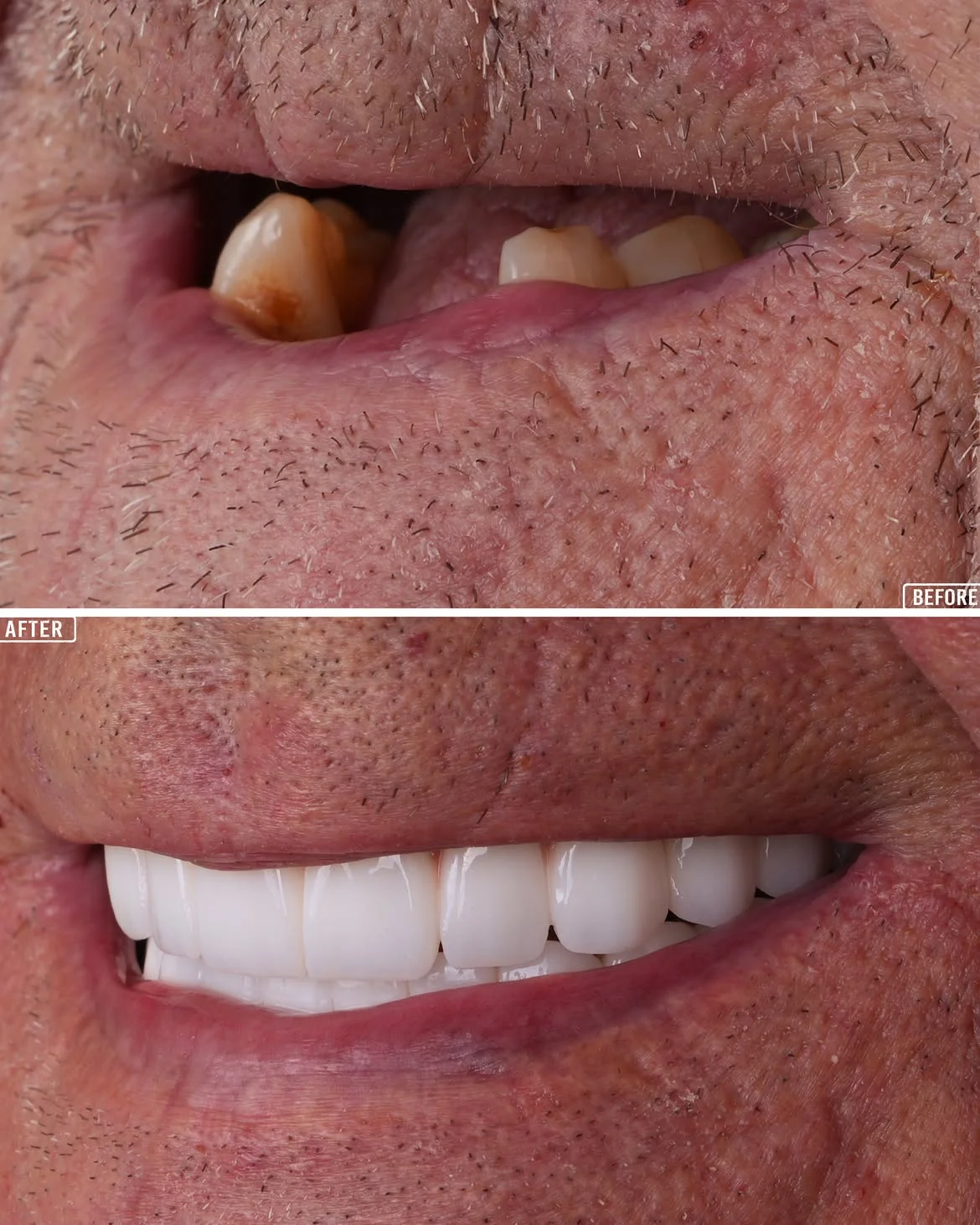
All-on-4 Before & After in Antalya, Turkey






What Are the Advantages and Disadvantages of All-on-6?
Advantages
- Uses six implants, so support is distributed across more points.
- Can provide broader support for the full-arch bridge.
- Biting forces can be distributed across more implants.
- Can be a good choice when you have sufficient healthy bone in the required areas.
- The additional implants may provide more options for distributing support across the bridge.
Disadvantages
- Requires suitable bone volume and quality in more implant positions.
- Bone grafting may be necessary if sufficient bone is not available in the planned implant areas.
- Surgery can take a little longer because two additional implants are placed.
- It usually costs more because additional implants, abutments and other components are required.
- It is not automatically better for every patient.
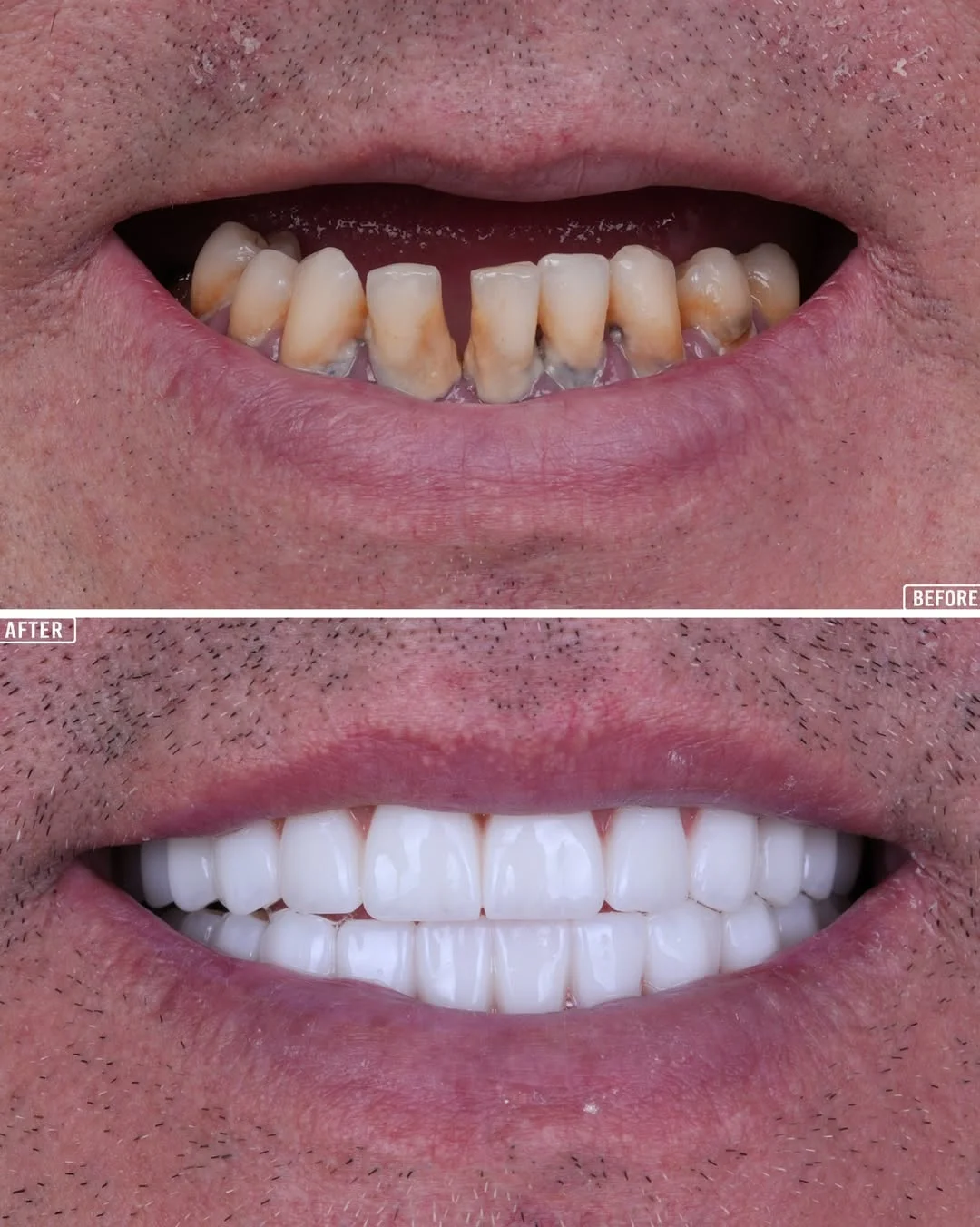
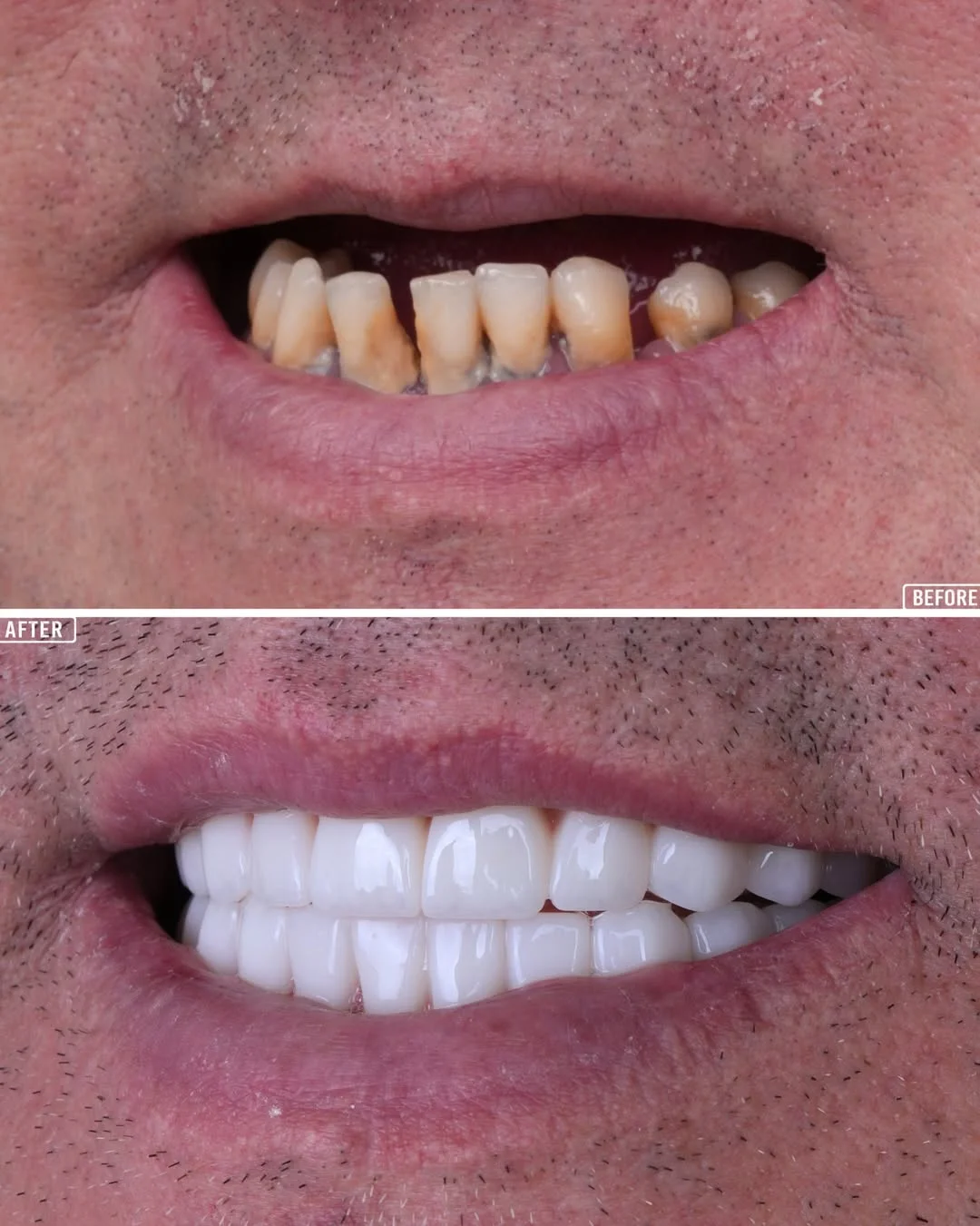
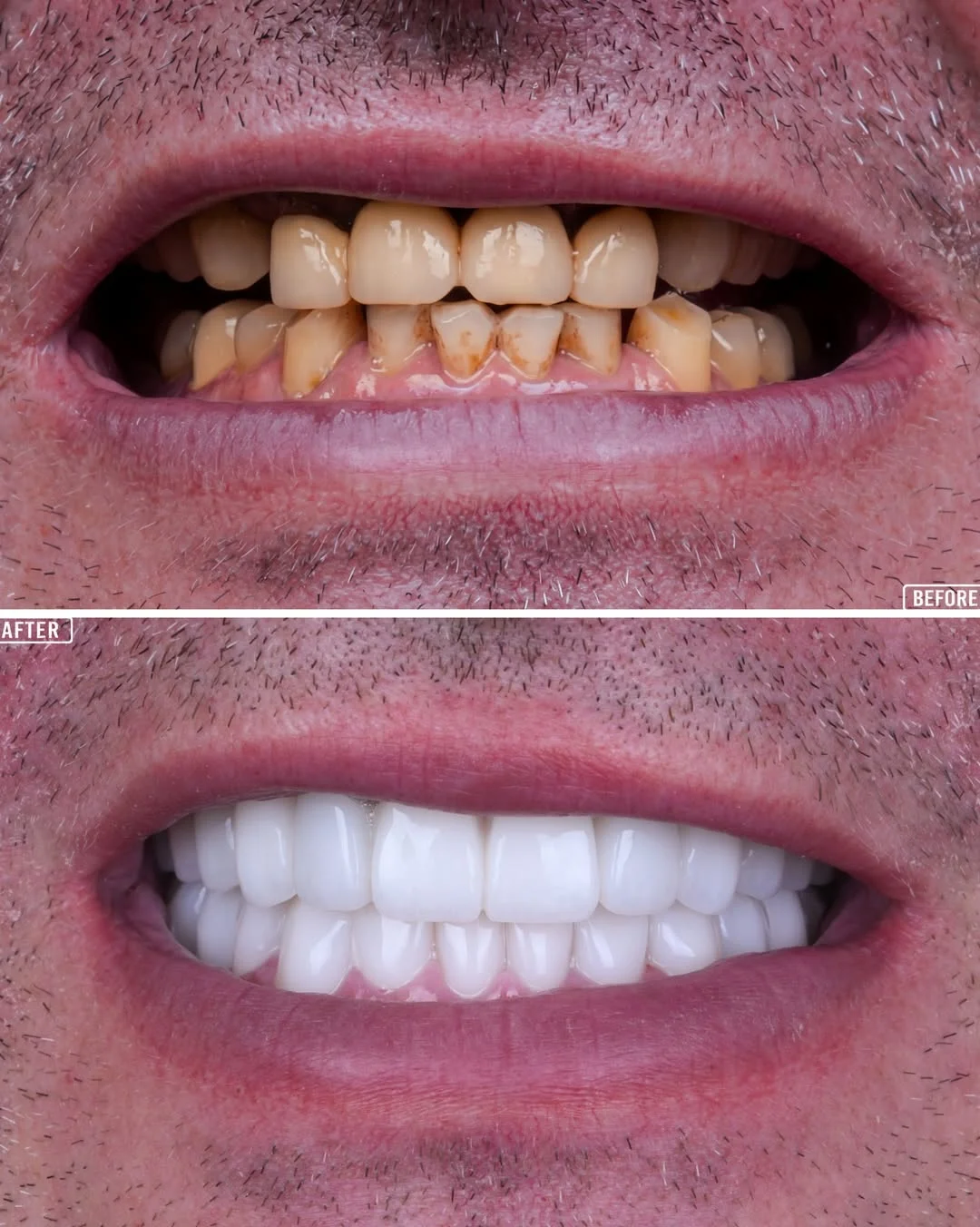
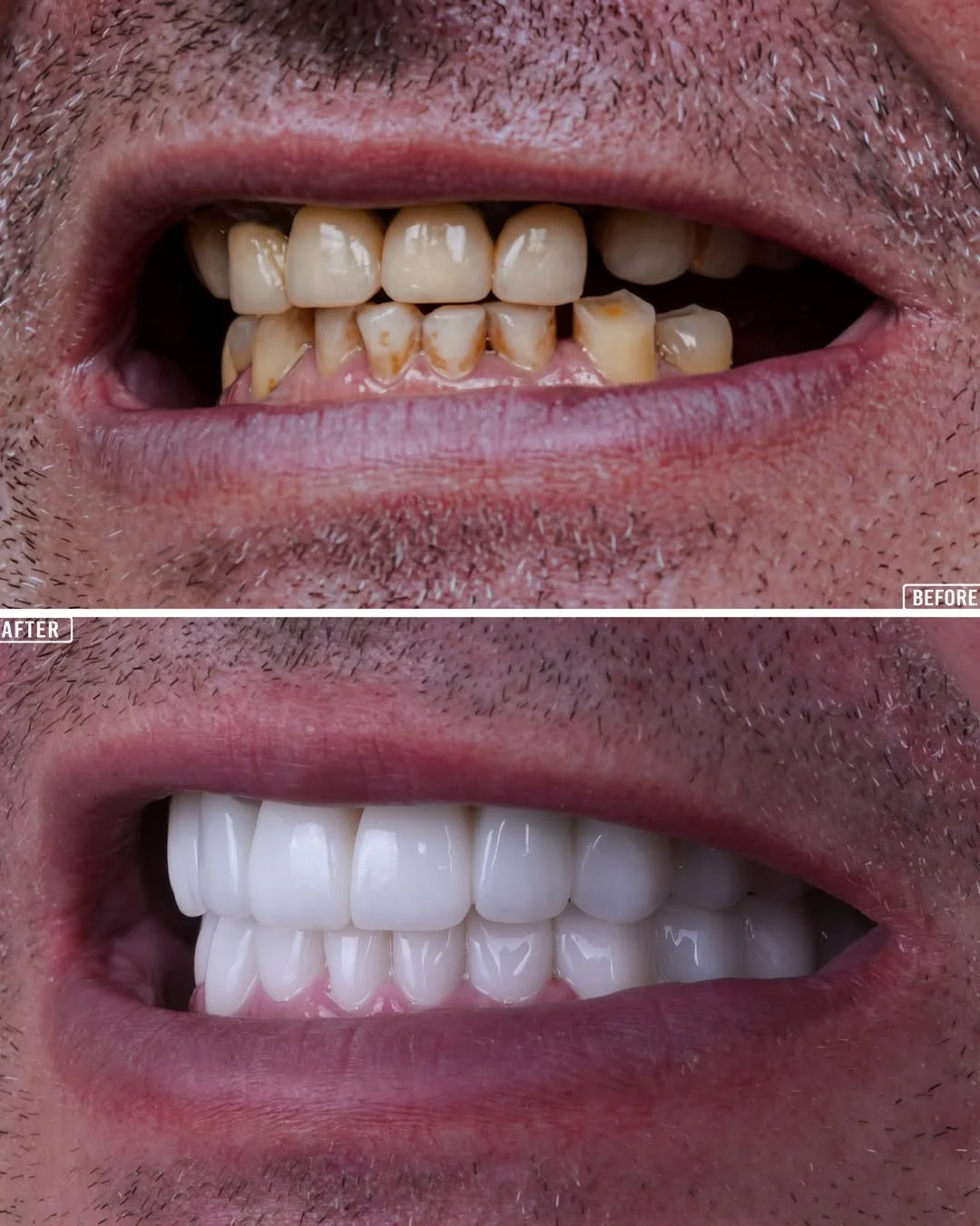
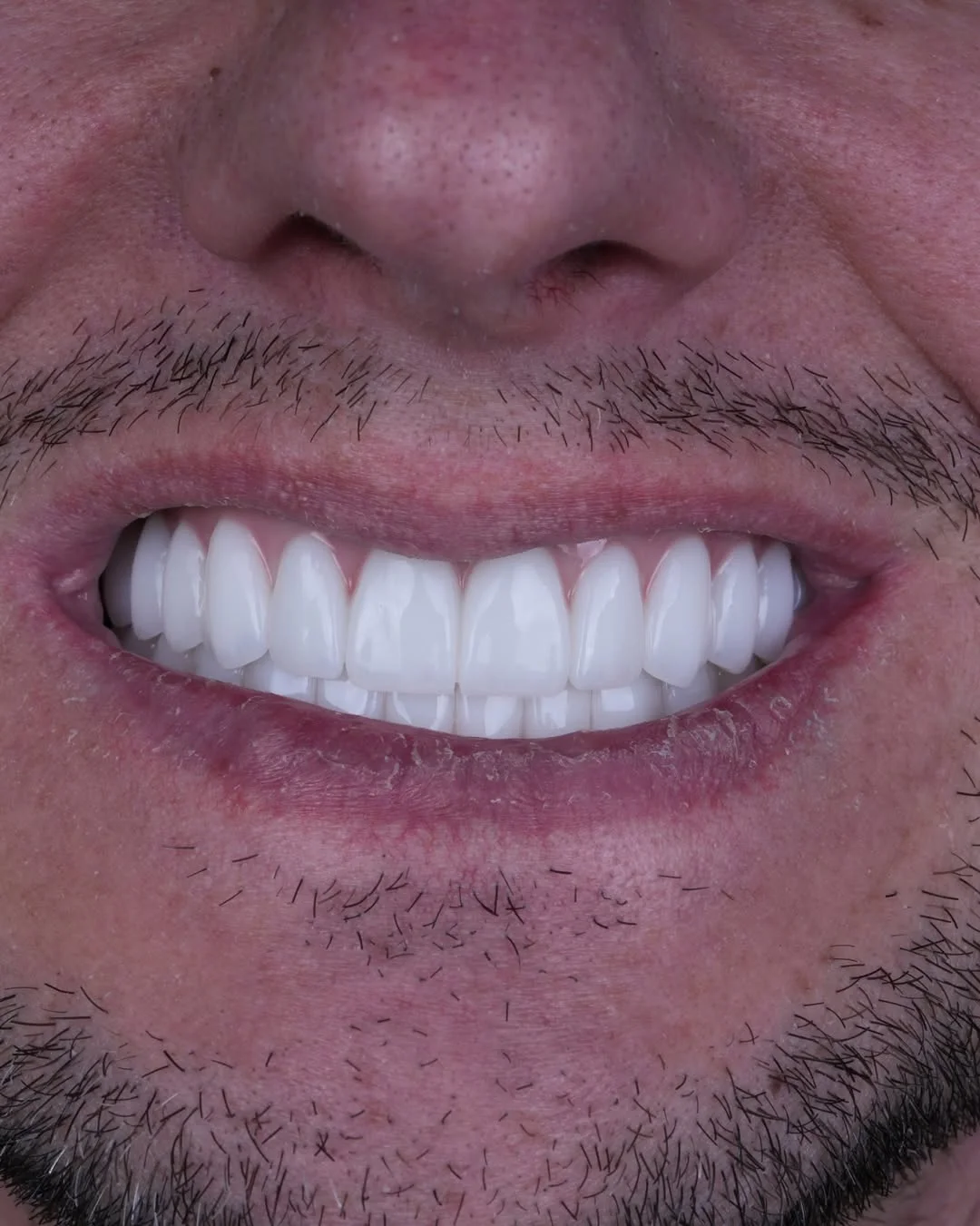
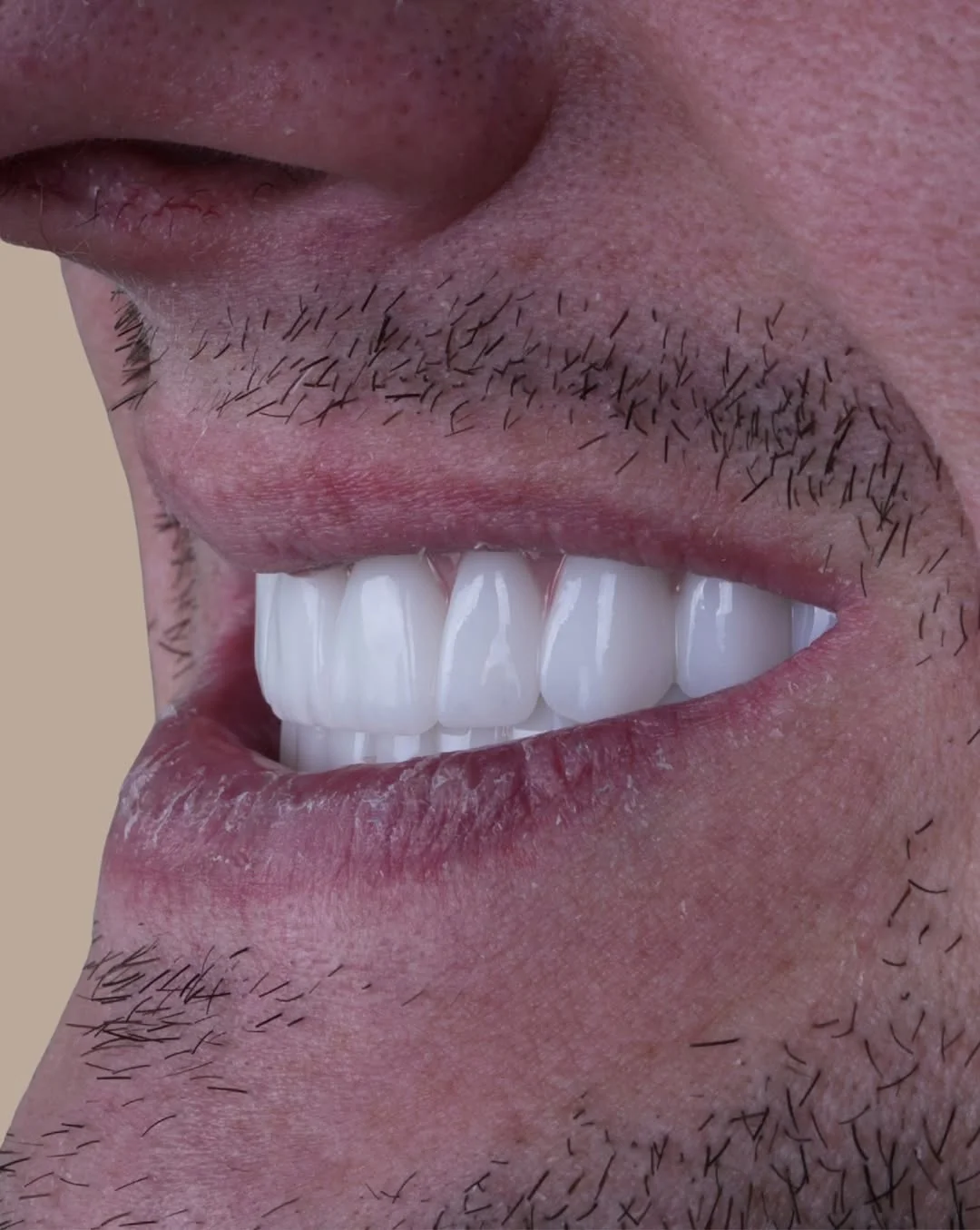
All-on-6 Before and After in Antalya, Turkey






Who Is a Good Candidate for All-on-4 or All-on-6 Dental Implants?
You may be a good candidate if you have many missing teeth, loose teeth or badly damaged teeth that cannot be predictably saved.
Your gums should be healthy, or active gum disease should be treated before implant treatment.
You also need suitable jawbone to provide adequate support for the implants. All-on-6 requires suitable bone in more implant positions than All-on-4. If there is insufficient bone in important areas, bone grafting or another surgical approach may be necessary.
A clinical examination and CBCT scan are usually required to assess bone volume, bone quality, important anatomical structures and possible implant positions before choosing between All-on-4 and All-on-6.
Your general health matters too. Medical conditions such as diabetes should be appropriately controlled before implant surgery.
Tell your dentist about all medicines you take, especially blood thinners and medicines that may affect bone metabolism or healing.
Smoking can impair healing and increase the risk of implant complications. Heavy alcohol use can also interfere with recovery and long-term oral health.
Teeth grinding or clenching, also known as bruxism, should also be considered during treatment planning because excessive bite forces can place additional stress on the implants and fixed bridge. Your dentist may recommend measures to manage these forces when necessary.
You should also be able to maintain good oral hygiene and follow the aftercare and maintenance instructions provided by your dental team.
So, a good candidate usually has suitable bone and oral conditions, stable general health, realistic expectations and is prepared to look after the implants and bridge properly.
Does All-on-6 Provide Better Bite Force Than All-on-4?
Not necessarily. Bite performance depends on implant position, bone quality, bridge design and material, jaw anatomy and how the upper and lower teeth meet.
Properly planned All-on-4 treatment can also provide good chewing function. Implant count alone does not predict how strongly or comfortably you will bite.
Which Option Is Better If You Have Bone Loss?
All-on-4 may be suitable for some patients with reduced bone volume because it uses four strategically positioned implants and can make efficient use of the available jawbone.
The posterior implants are often angled to take advantage of available bone and may help avoid or reduce the need for bone grafting in selected cases.
All-on-6 requires suitable bone in six implant positions. If sufficient bone is not available in the planned areas, bone grafting or other surgical procedures may be necessary.
However, bone loss does not automatically mean that All-on-4 is the better option. The amount and location of bone loss vary between patients. A CBCT scan and clinical examination are needed to determine which treatment is appropriate.
What Affects the Success of All-on-4 and All-on-6 Implants?
The long-term success of both All-on-4 and All-on-6 depends on more than the number of implants used.
Important clinical factors include bone quality and quantity, initial implant stability, implant position, gum health, bite forces and the design of the fixed bridge. These factors influence how well the implants and prosthesis can function together over time.
Good daily oral hygiene and regular professional maintenance are also important. Plaque accumulation around implants may contribute to inflammation and peri-implant disease if it is not adequately controlled.
Smoking, poorly controlled diabetes and other factors that can affect healing may increase the risk of implant complications. Bruxism, or persistent teeth grinding and clenching, may also place increased mechanical stress on the implants, screws and fixed bridge.
Regular dental check-ups allow the dentist to monitor the implants, gums, bite and prosthetic components and identify potential problems at an early stage.
How Do Dentists Decide Between All-on-4 and All-on-6?
The decision between All-on-4 and All-on-6 is based on the individual condition of your mouth and jaw rather than simply choosing the treatment with the greater number of implants.
A clinical examination and dental imaging, usually including a CBCT scan, allow the dentist to assess available bone volume, bone quality, jaw anatomy and important anatomical structures.
The dentist also considers your bite, gum health, remaining teeth, medical history, implant positions and the type of fixed bridge planned.
If four well-positioned implants can provide appropriate support for the planned restoration, All-on-4 may be suitable. If sufficient healthy bone is available and additional implant support would be clinically beneficial, All-on-6 may be considered.
The aim is to select the number and position of implants that provide appropriate support for your individual treatment rather than assuming that more implants are always better.
All-on-4 vs All-on-6: Which Is Better for You?
All-on-4 may be suitable when four well-positioned implants can support the planned bridge and a less costly option is preferred. All-on-6 may be considered when suitable bone is available and the planned restoration would benefit from six supporting implants.
Neither treatment is automatically better. Ask your dentist to explain the recommendation using your CBCT findings, bite and oral health, and to clarify the proposed bridge material, additional procedures and total cost.
Can You Get Temporary Fixed Teeth on the Same Day with All-on-4 or All-on-6?
In suitable cases, temporary fixed teeth may be attached on the same day as All-on-4 or All-on-6 implant surgery. This approach is often referred to as immediate loading.
However, same-day fixed teeth are not possible for every patient. The implants must achieve sufficient initial stability, and factors such as bone quality, bone volume, implant position, bite forces and overall oral health must be carefully evaluated.
The teeth fitted on the same day are usually a temporary fixed bridge, not the final restoration. It is designed to provide appearance and basic function while the implants heal and integrate with the jawbone.
During the healing period, you may be advised to follow a softer diet and avoid excessive biting pressure on the temporary bridge. This helps reduce stress on the implants while osseointegration takes place.
Once healing is complete, usually after around 3 to 6 months, the dentist reassesses the implants and bite. If the implants are stable and healing has progressed as expected, the temporary bridge can then be replaced with the final fixed bridge.
Whether same-day temporary fixed teeth are suitable for you can only be decided after a clinical examination and CBCT assessment.
What Happens If an Implant Fails in All-on-4 or All-on-6?
If an implant fails in an All-on-4 or All-on-6 treatment, it does not necessarily mean that the entire restoration will fail. The dentist or oral surgeon will assess the cause, implant stability, bone condition and the remaining implants.
Depending on the individual case, the failed implant may be removed and replaced after healing, or the treatment plan and prosthesis may be adjusted. Early diagnosis is important, so persistent pain, swelling, mobility or other unusual symptoms should be evaluated by the treating dental team as soon as possible.
What Are the Risks of All-on-4 and All-on-6 Dental Implants?
All-on-4 and All-on-6 are established full-arch implant treatment options, but as with any surgical and prosthetic procedure, they involve certain risks and possible complications. These do not occur in every patient, and careful treatment planning, good oral hygiene and regular follow-up can help reduce the risk.
- Infection: Infection can develop around the surgical site, particularly during the early healing period.
- Implant failure or lack of osseointegration: In some cases, an implant may not integrate successfully with the surrounding bone and may need further treatment or replacement.
- Peri-implant disease: Inflammation around the implants can affect the surrounding gum and bone if plaque is not adequately controlled.
- Temporary swelling and discomfort: Mild to moderate swelling, tenderness and discomfort are common during the first few days after implant surgery.
- Prosthetic complications: Components of the fixed bridge, screws or other prosthetic parts may occasionally loosen, wear, chip or require adjustment.
- Bone loss around implants: Some bone remodelling is expected, but excessive bone loss may affect the long-term stability of an implant.
- Need for maintenance or repair: Full-arch implant restorations require regular professional checks and may need maintenance, adjustment or repair over time.
Regular dental check-ups, professional cleaning and effective daily oral hygiene are important for maintaining All-on-4 and All-on-6 implants and identifying potential problems at an early stage.
How Do You Clean All-on-4 and All-on-6 Dental Implants?
All-on-4 and All-on-6 implants should be cleaned carefully every day. Brush the teeth and gum line with a soft toothbrush and clean underneath the fixed bridge using interdental brushes, suitable floss or a water flosser if recommended by your dentist.
Regular dental check-ups and professional cleaning are also important to help maintain healthy gums, implants and the fixed bridge.
How Are All-on-4 and All-on-6 Different from Removable Dentures?
All-on-4 and All-on-6 use dental implants to support a fixed full-arch bridge, while traditional removable dentures rest on the gums and can be taken out by the patient.
Because implant-supported bridges are fixed to implants in the jawbone, they can provide greater stability during everyday speaking and chewing. However, they require surgery, suitable oral conditions and regular long-term maintenance.
Can All-on-4 or All-on-6 Be Used for Both the Upper and Lower Jaw?
Yes. Both All-on-4 and All-on-6 can be used to replace a full arch of teeth in either the upper or lower jaw.
The most suitable option depends on factors such as bone volume, bone quality, jaw anatomy, bite and the planned position of the implants. A clinical examination and CBCT scan are usually needed before treatment.
Frequently Asked Questions
Can All-on-4 Be Upgraded to All-on-6 Later?
In some cases, it may be possible to add implants to an existing All-on-4 treatment, but this is not a simple or guaranteed upgrade. There must be enough suitable bone for the additional implants, and their positions must be compatible with the existing implants and prosthetic design.
The dentist therefore needs to evaluate your CBCT scans, existing implants and bridge before deciding whether additional implants can be placed.
Do All-on-4 and All-on-6 Feel Like Natural Teeth?
Both All-on-4 and All-on-6 can provide a stable, fixed feeling and allow many patients to speak and chew comfortably in everyday life.
However, implant-supported teeth are not biologically identical to natural teeth. Natural teeth have roots and periodontal ligaments, while implant-supported bridges are connected to implants that integrate directly with the jawbone. For this reason, the sensation may be slightly different from natural teeth.
Can You Eat Normally with All-on-4 or All-on-6 Dental Implants?
Once healing is complete and your dentist confirms that the implants are stable, you can usually return to eating a wide range of foods.
During the initial healing period, you will normally be advised to follow a softer diet to reduce excessive pressure on the implants while they integrate with the jawbone. Your dentist will tell you when and how to gradually return to a normal diet.
Do All-on-4 and All-on-6 Dental Implants Require Special Cleaning?
Yes. You need to clean them carefully every day, especially under the bridge and around the implants.
Use a soft toothbrush, interdental brushes or a water flosser if your dentist recommends one. Regular professional cleaning and dental check-ups are also important to monitor the gums, implants and bridge and to help maintain them over the long term.
Is All-on-6 Better Than All-on-4?
Not necessarily. Six implants are not automatically a better choice than four.
The better option depends on your available bone, bite, oral health, implant positions and individual treatment needs. A clinical examination and CBCT assessment are normally required before deciding which approach is more appropriate.
Is All-on-6 More Expensive Than All-on-4?
Yes, All-on-6 is usually more expensive because it uses two additional implants and abutments and may involve additional surgical and prosthetic work.
The final cost also depends on factors such as the implant system, bridge material, number of extractions and whether additional procedures such as bone grafting or sinus lifting are required.
Which Lasts Longer, All-on-4 or All-on-6?
Both treatments are designed for long-term use; neither is guaranteed to last longer than the other.
Long-term durability depends on factors such as bone quality, implant position, bite forces, oral hygiene, smoking, general health, professional maintenance and the condition of the fixed bridge.
Do You Need Bone Grafting for All-on-6?
Not always. Bone grafting is only required when there is not enough suitable bone in the planned implant positions to place the implants safely and achieve adequate stability.
Because All-on-6 requires six implant sites, sufficient bone volume and quality must be available in more areas of the jaw. A CBCT scan helps the dentist determine whether bone grafting or another surgical approach may be required.
Please contact us for a free, personalised quote based on your dental treatment.
Scientific References
A 2026 systematic review and meta-analysis reported similar overall outcomes for the two approaches, but substantial differences between the included studies limit the certainty of the conclusions.
- Shao W-H et al. All-on-4 and All-on-6 implant-supported fixed prostheses for the edentulous jaw: a systematic review and meta-analysis. International Journal of Oral and Maxillofacial Surgery. 2026;55(9):1098–1112.
- Zhang Y et al. Comparison of 4- or 6-implant supported immediate full-arch fixed prostheses: A retrospective cohort study of 217 patients followed up for 3–13 years. Clinical Implant Dentistry and Related Research. 2023;25(2):381–397.
- Figueiredo CE et al. Rehabilitation of edentulous jaws using the "All-on-Four" treatment concept: an overview of systematic reviews. Oral and Maxillofacial Surgery. Published online 11 December 2025.