

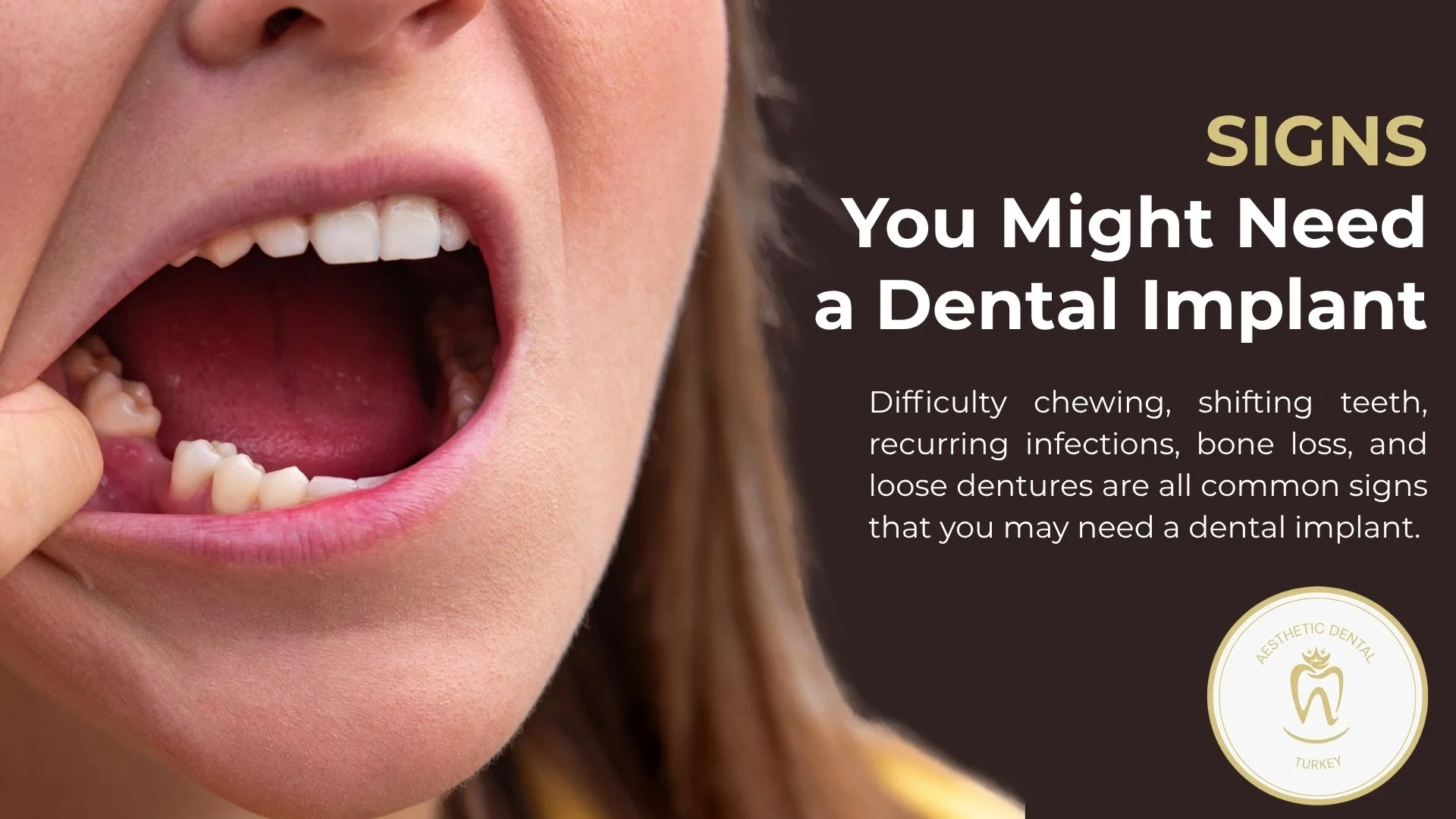
Missing or badly damaged teeth affect far more than your looks. They can affect how you eat, talk, and smile and can also compromise your long-term oral health. There are many tooth replacement options available, but dental implants are considered one of the most reliable and natural-looking solutions.
One of the biggest challenges for patients is knowing when a dental implant is truly needed. Many people live with a missing tooth for years and never realize that it causes bone loss, shifting teeth, and bite problems. Others may continue trying to save a tooth that can no longer be restored.
In this guide, we will cover the common signs you might need a dental implant, the importance of early treatment, and when to see an experienced dentist.
What is a dental implant in Antalya, Turkey?
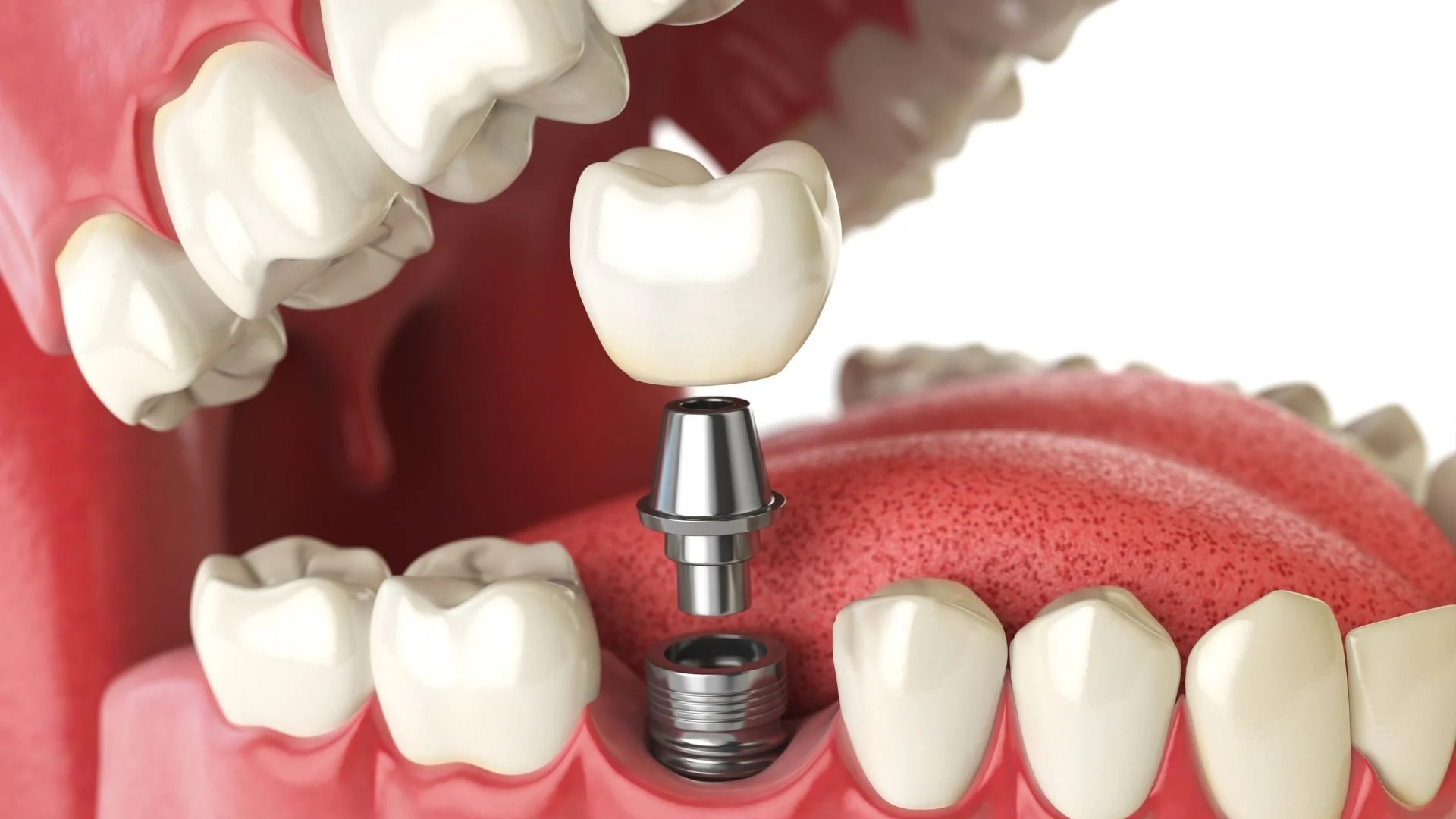
A dental implant is a small titanium screw that is surgically placed into the jawbone to replace the root of a missing tooth. Once the implant bonds with the bone in a process called osseointegration, it becomes a solid base for a dental crown, bridge, or full-arch restoration.
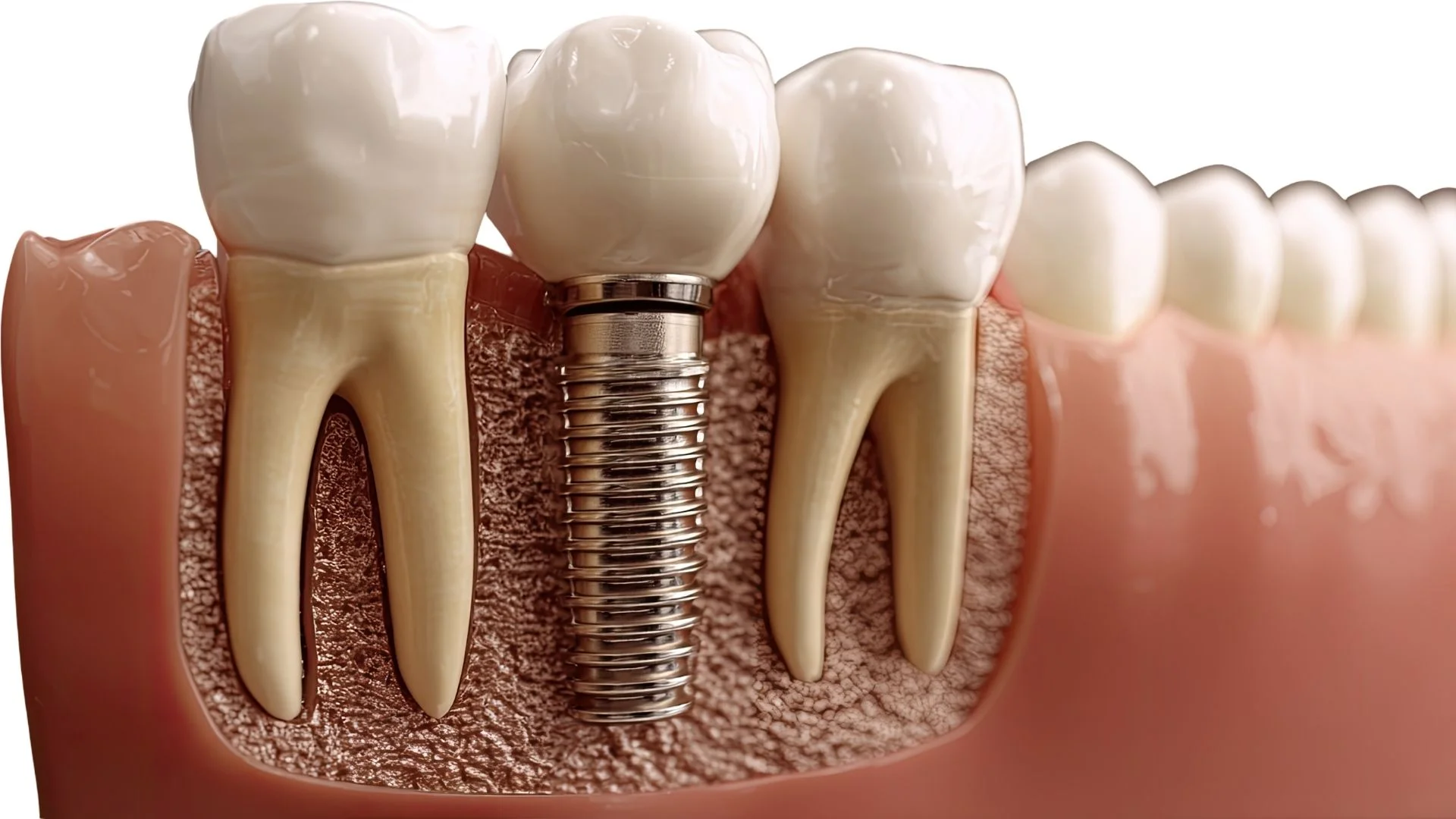
Unlike removable dentures, dental implants are a permanent solution that are designed to look, feel, and function like natural teeth. With good oral hygiene and regular dental check-ups, they can stay for many years and often for a lifetime.
Dental implants are often used to replace:
- A single missing tooth
- Several missing teeth
- Multiple missing teeth in different areas of the mouth
- Use of All on 4 or All on 6 implants for a complete upper or lower arch
Implants replace not only your visible tooth but also its root, which helps preserve your jawbone and keep the natural shape of your face.
The importance of replacing a missing tooth
Many people think that losing one tooth is unimportant, especially if it is not visible when they smile. Each tooth plays a crucial role in maintaining the balance of your mouth.
When you are missing a tooth, several changes can start to occur over time:
- Teeth next to the gap gradually shift into the space.
- Opposing teeth may drift out of position because they are no longer in contact with another tooth.
- Chewing forces are not evenly distributed, which puts extra strain on healthy teeth.
- Without the tooth to stimulate it, the jawbone underneath begins to shrink.
- Changes in your bite may cause jaw pain or uneven tooth wear.
These changes are often slow, and patients do not notice them until more extensive treatment is needed. A dental implant can be used to replace a missing tooth and can help prevent these complications while restoring both function and aesthetics.
1. You've lost one or more teeth.
The most obvious sign that you may need a dental implant is having one or more missing teeth.
Tooth loss can occur for many reasons, including:
- Advanced tooth decay
- Gum disease
- Sports injuries or accidents
- Severe tooth fractures
- Failed root canal treatment
- Congenital missing teeth
Regardless of the cause, leaving a gap untreated may affect more than your smile. Missing teeth can make chewing difficult, alter your speech, and reduce your confidence in social situations.
Dental implants provide a permanent replacement that closely mimics the appearance and function of natural teeth, allowing you to eat, smile, and speak comfortably again.
All on 4 Before & After in Antalya, Turkey

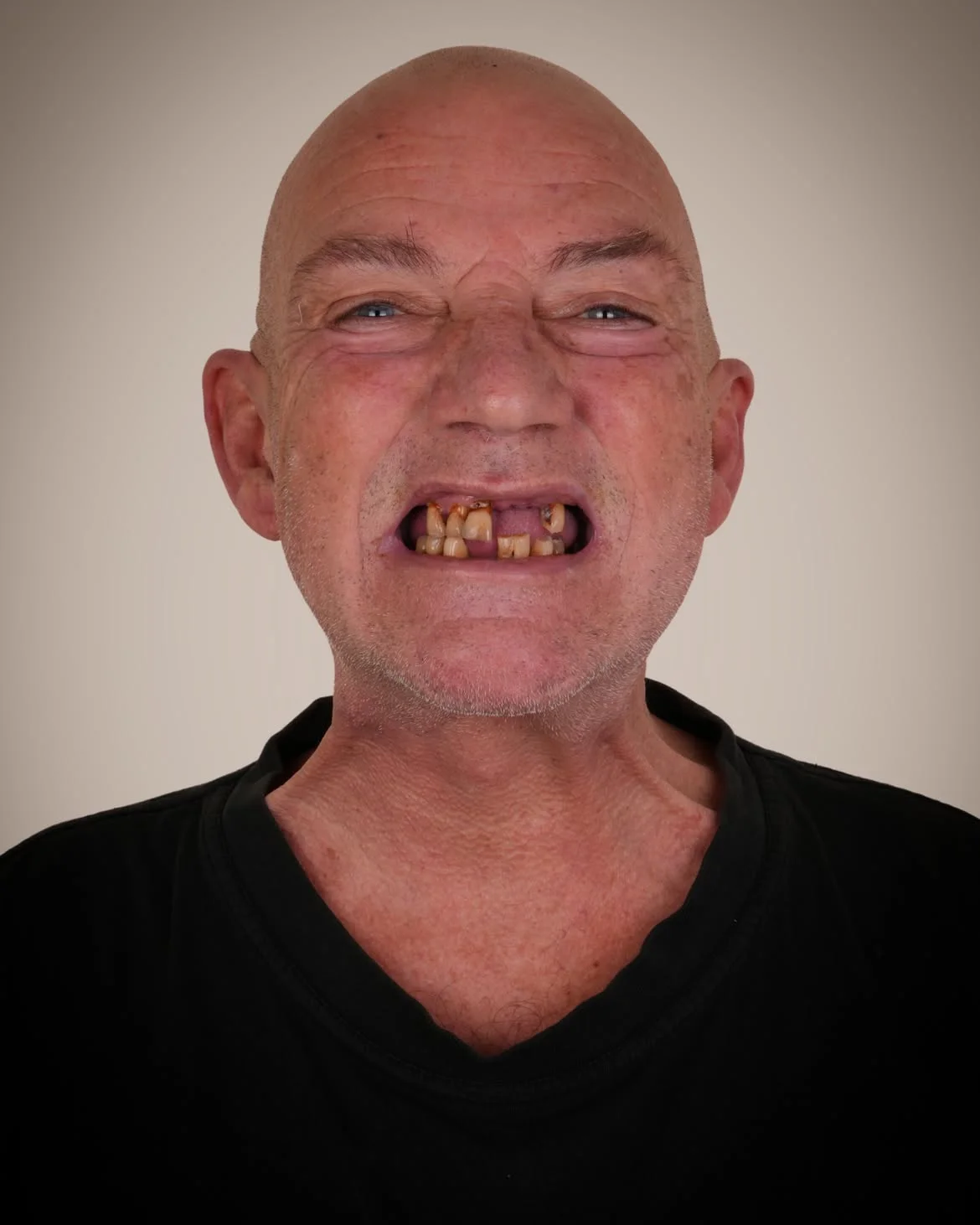

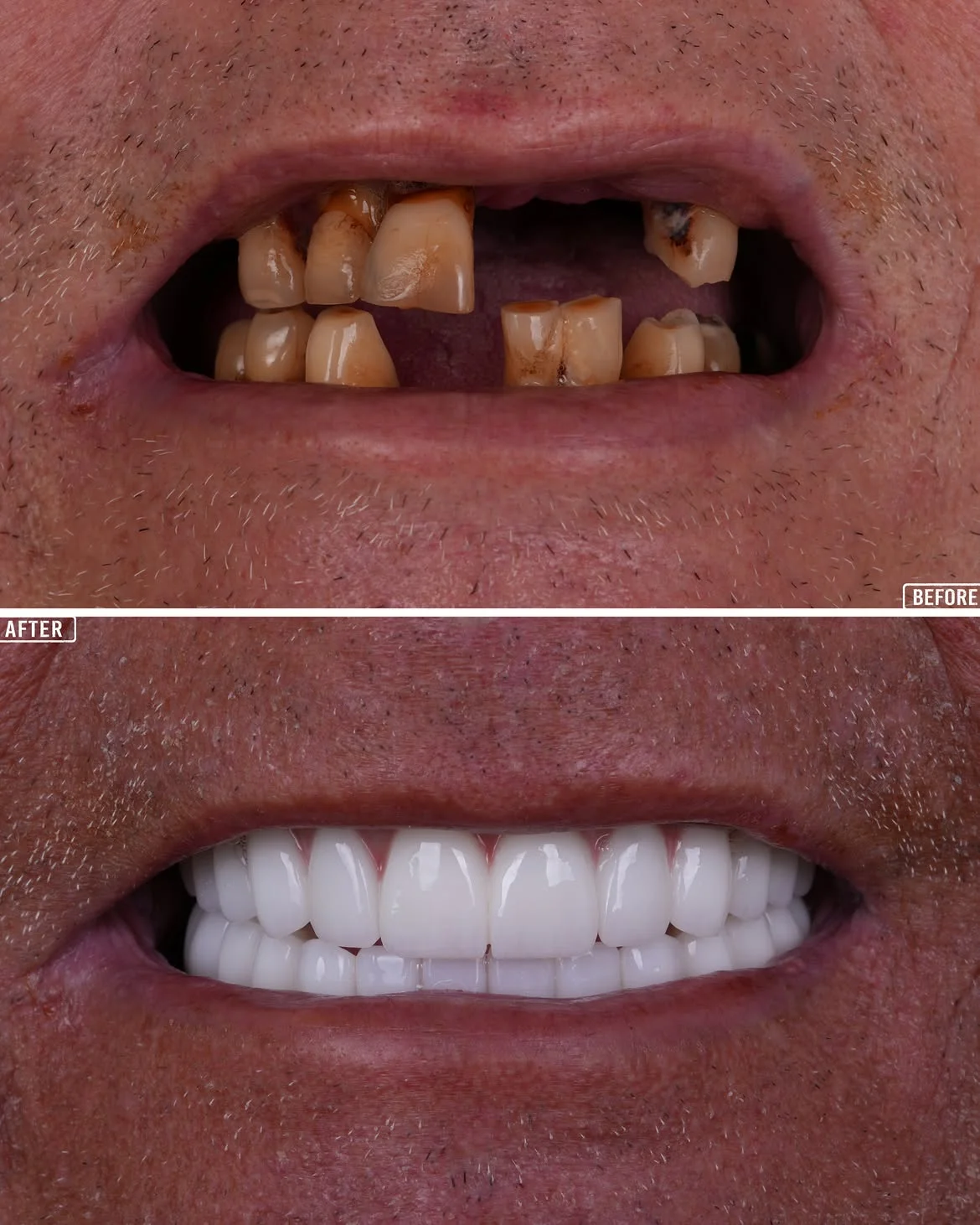
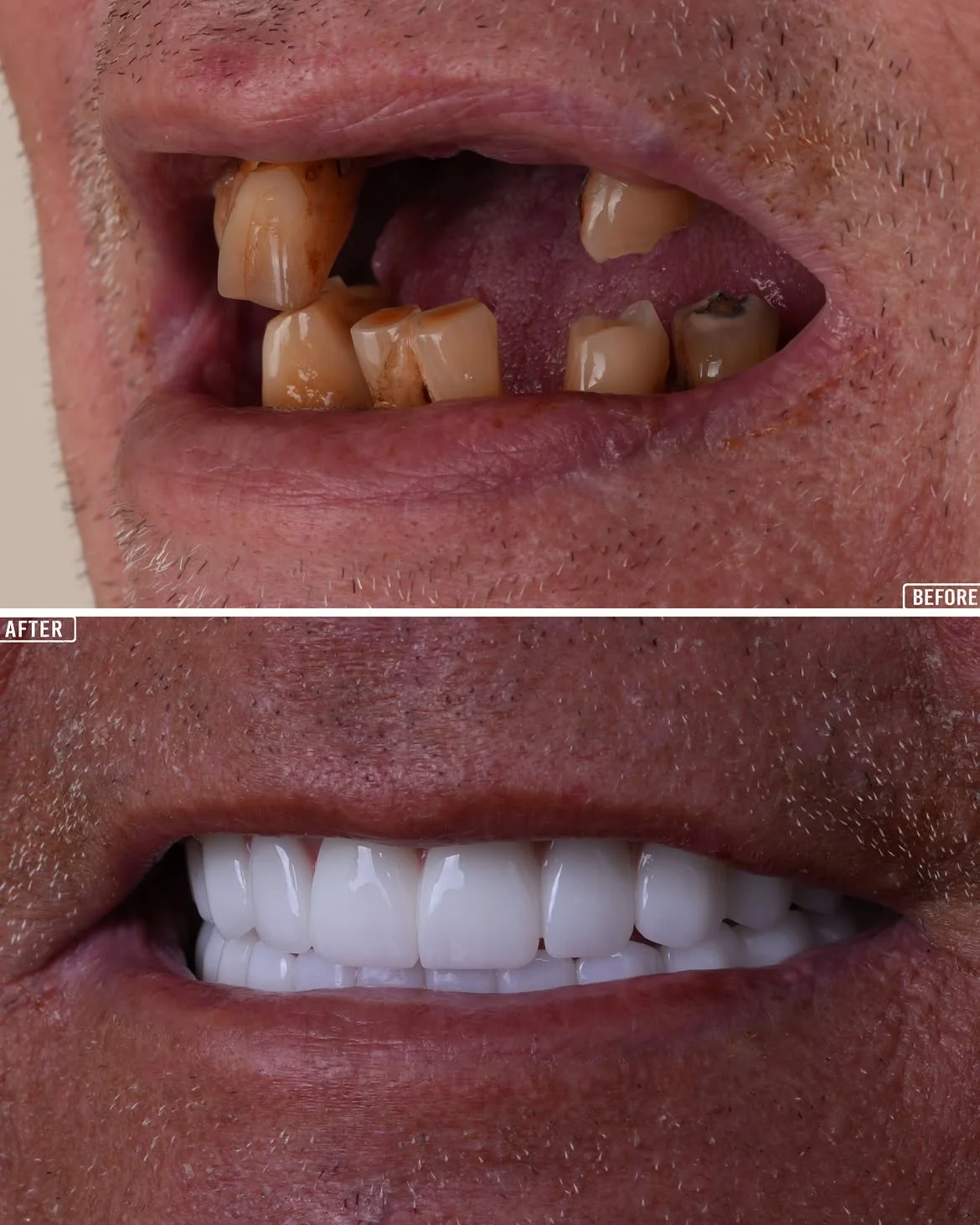
Our patient visited our clinic looking for a permanent solution for his missing teeth and a smile he could rely on again. After a detailed examination, we created a personalized treatment plan and performed All on 4 Implant Treatment, restoring both function and confidence.
- Fixed and stable teeth
- Comfortable chewing and speaking
- A natural, confident smile
- All on 4 Implant Treatment
- Full Mouth Rehabilitation
- Premium Implant Dentistry
All on 6 Before & After in Antalya, Turkey



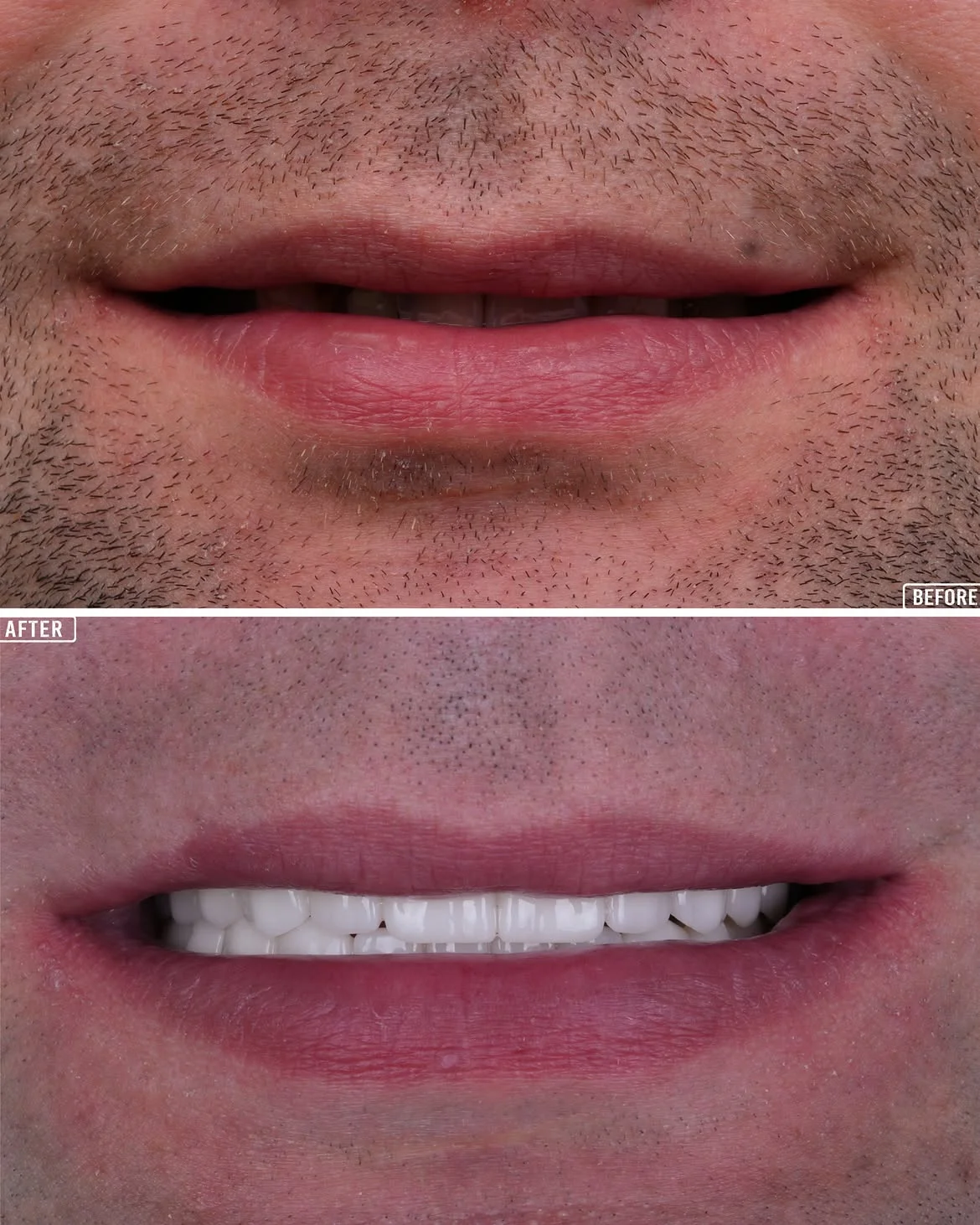
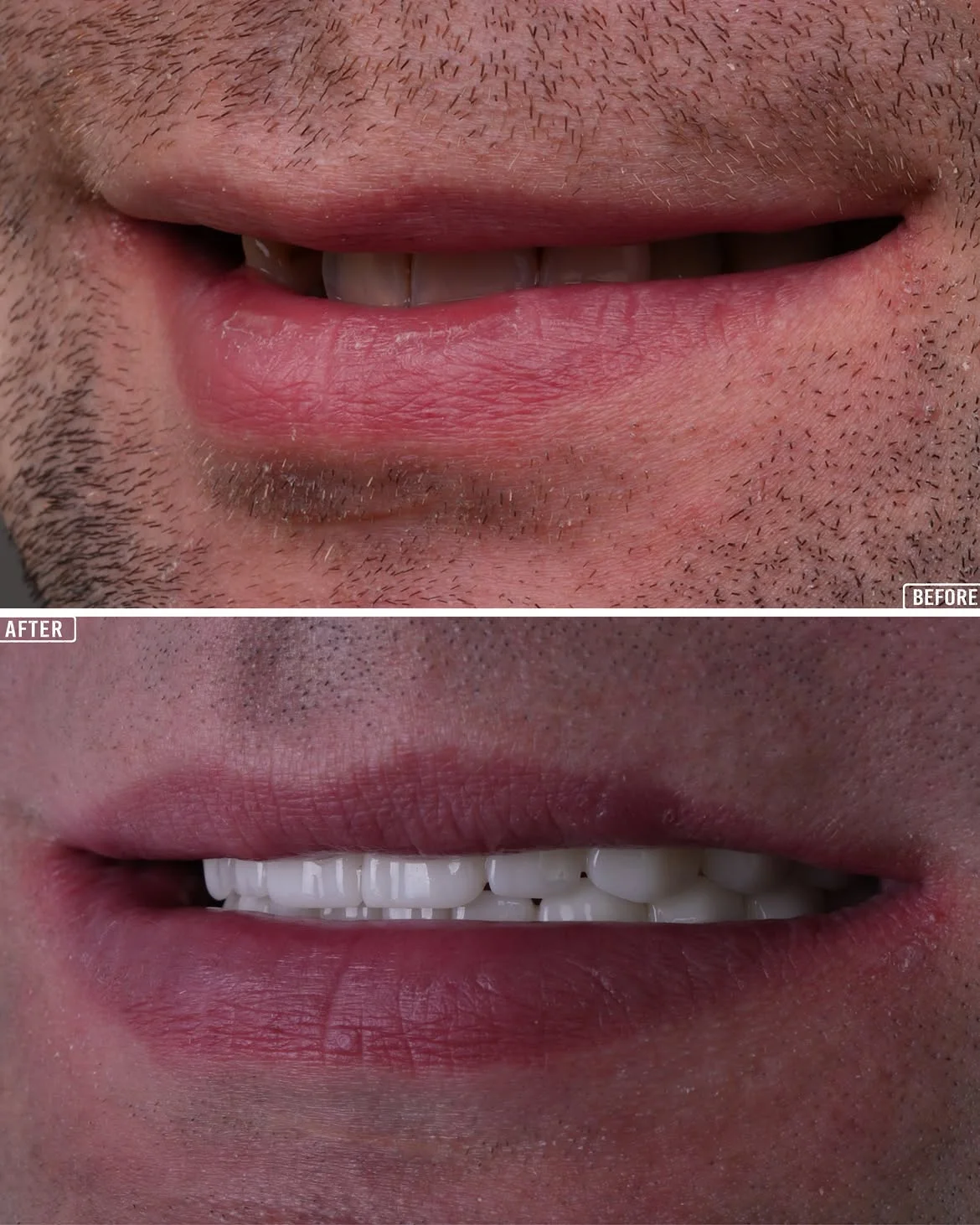
Our patient visited our clinic looking for a permanent solution for his missing teeth and a smile he could rely on again. After a detailed examination, we created a personalized treatment plan and performed All on 6 Implant Treatment, restoring both function and confidence.
2. A tooth is too damaged to be saved.
Dentists will always try to save natural teeth as much as possible. Damaged teeth can often be restored successfully with fillings, crowns, or root canal treatment.
In some cases, however, it is not possible to predictably save a tooth.
Some examples include:
- Vertical root fracture
- Advanced decay below the gum line
- Severe infection with significant loss of bone
- Multiple unsuccessful restorative procedures
- Teeth that have insufficient structure remaining to support a crown
In these cases, the best long-term solution may be to extract the broken tooth and install a dental implant instead of continually trying to save it.
Your dentist will look at your tooth, both clinically and with digital imaging, and will advise you to have it removed if required.
3. You have problems chewing certain foods.
Do you find yourself chewing on only one side of your mouth?
Are crunchy foods, steak, apples, or nuts difficult to eat?
Difficulty chewing is one of the most common functional signs that you may benefit from a dental implant.
Losing each tooth changes the way chewing forces are distributed through your mouth. This means the teeth next to the gap must work harder, which can increase wear and pressure on your bite.
Many patients gradually change their eating habits and do not realize it. Over time, they may start to favor one side of the mouth, avoid harder foods, or cut food into smaller pieces.
A dental implant will replace the missing tooth and restore your chewing efficiency, helping to distribute the biting forces more evenly across your teeth.
4. Your dentures are loose or uncomfortable.
Traditional removable dentures have restored millions of smiles, but they are not always the most stable solution.
If you have dentures, you may:
- Difficulty chewing certain foods
- Clicking or movement while speaking
- Difficulty biting certain foods
- Painful gums
- A reliance on denture adhesives
- Reduced confidence when smiling or laughing
Jawbone resorption is one of the reasons for loose dentures over time. As the bone gradually recedes, the denture no longer fits as snugly as it once did.
Dental implants can dramatically enhance denture stability. Implant-supported full-arch systems or overdentures provide you with more comfort, improved chewing ability, and increased confidence in your daily life.
5. Your jawbone is getting smaller.
One of the greatest benefits of dental implants is their ability to preserve the jawbone.
Every time you chew, the roots of your natural teeth stimulate the bone around them. When a tooth is lost, the stimulation is lost, and the jawbone slowly diminishes through a process called bone resorption.
Initially, there may be no obvious bone loss. But over time it can lead to the following:
- A smaller jawbone
- Changes in the facial shape
- Decreased support to the adjacent teeth
- Challenges in installing a dental implant without additional procedures like bone grafting
Replacing a missing tooth promptly increases the likelihood of preserving healthy bone. If you have already lost a lot of bone, your dentist may recommend placing a bone graft before the implant.
6. Your teeth are starting to move.
Each tooth helps maintain the position of the surrounding teeth. If you lose a tooth, the adjacent teeth can slowly shift into the vacant space.
This movement can result in:
- Crooked teeth or overlapping teeth
- Misalignment of bite
- Difficulty cleaning between the teeth
- High risk of tooth decay and periodontal disease
- Changes to your smile
Many patients are surprised at how quickly these changes can happen. In fact, even the loss of one tooth can affect the overall positioning of your bite.
A dental implant placed in the space of the missing tooth can help keep proper spacing and reduce the chances that you will need orthodontic or restorative treatment later.
7. You have a loose tooth due to advanced gum disease
Gum (periodontal) disease is the number one cause of tooth loss in adults.
Slowly, the gums and the bone that hold the teeth in place start to break down, and the teeth become loose.
Typical symptoms are the following:
- Gum bleeding
- Persistent bad breath
- Receding gums
- Swollen, tender, or bleeding gums
- Teeth that are loose
In some cases, periodontal therapy can arrest the progression of the involved teeth. However, if a tooth has lost too much of its supporting bone, it may no longer be restorable.
Once the infection is treated and the gums are healthy again, a dental implant can be a permanent solution to replace the lost tooth.
8. You experience chronic dental infections.
You should never overlook recurring dental infections.
A tooth that gets infected again and again, even after being treated:
- Fracture of root
- Persistent infection following root canal therapy
- Severe decay extending into the gum line
- Severe structural damage
Taking more antibiotic courses just treats the symptoms, not the underlying problem.
Depending on the long-term prognosis of the tooth, your dentist may decide that the best option is to replace it with a dental implant, as it is the most predictable and long-lasting solution.
9. Your face looks like it's changing.
Many people don’t realize that missing teeth can change how their faces look.
Over time, the jawbone recedes, and support for the lower face can begin to diminish.
These changes may include:
- Flattened cheeks
- Thinner lips
- Increased lines around the mouth
- Thinner face
- An appearance of old age
Such changes occur slowly and are usually associated with chronic tooth loss.
Dental implants also stimulate the jawbone just like natural tooth roots do and may help preserve facial structure and promote a more youthful appearance.
All on 6 Before & After in Antalya, Turkey



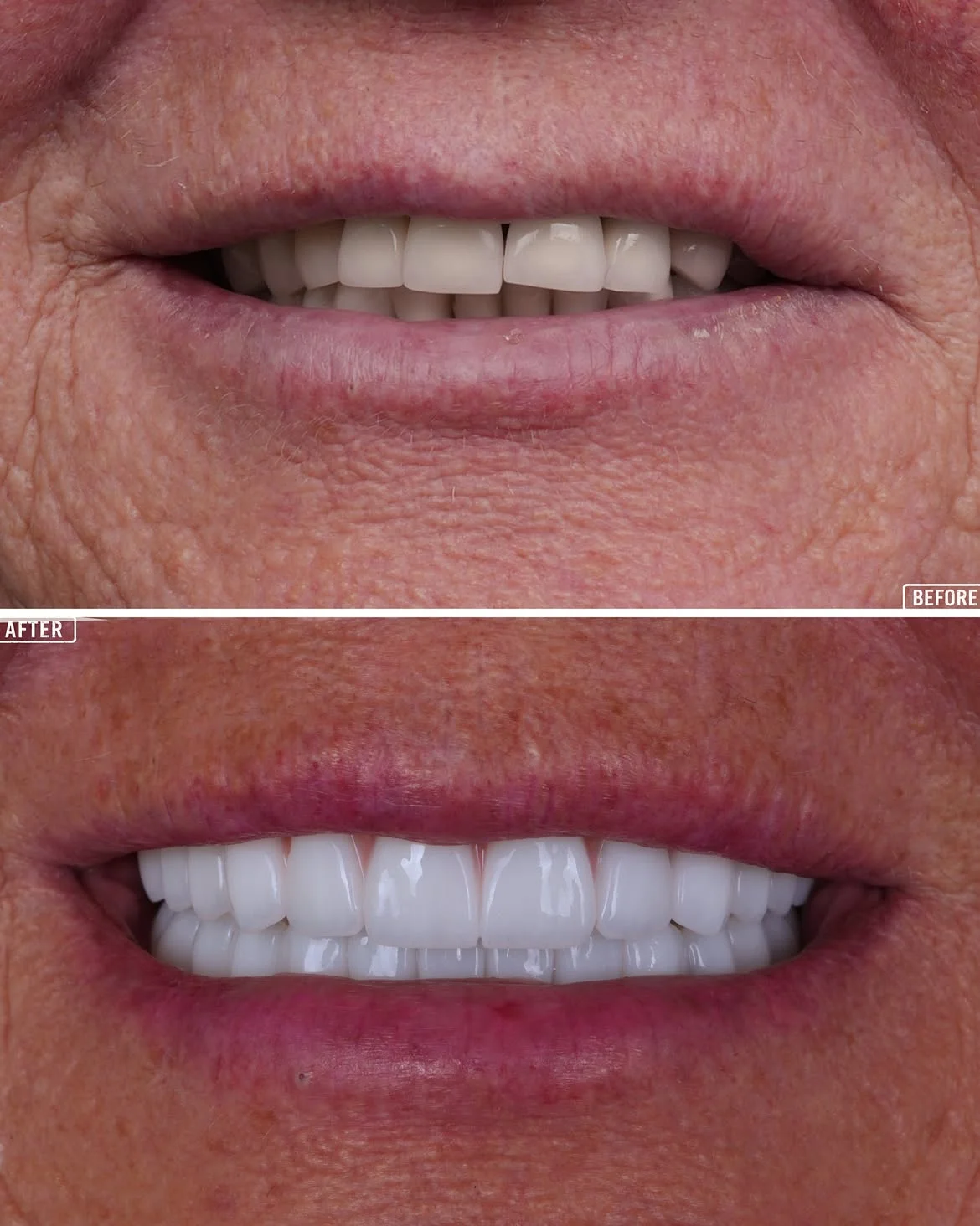
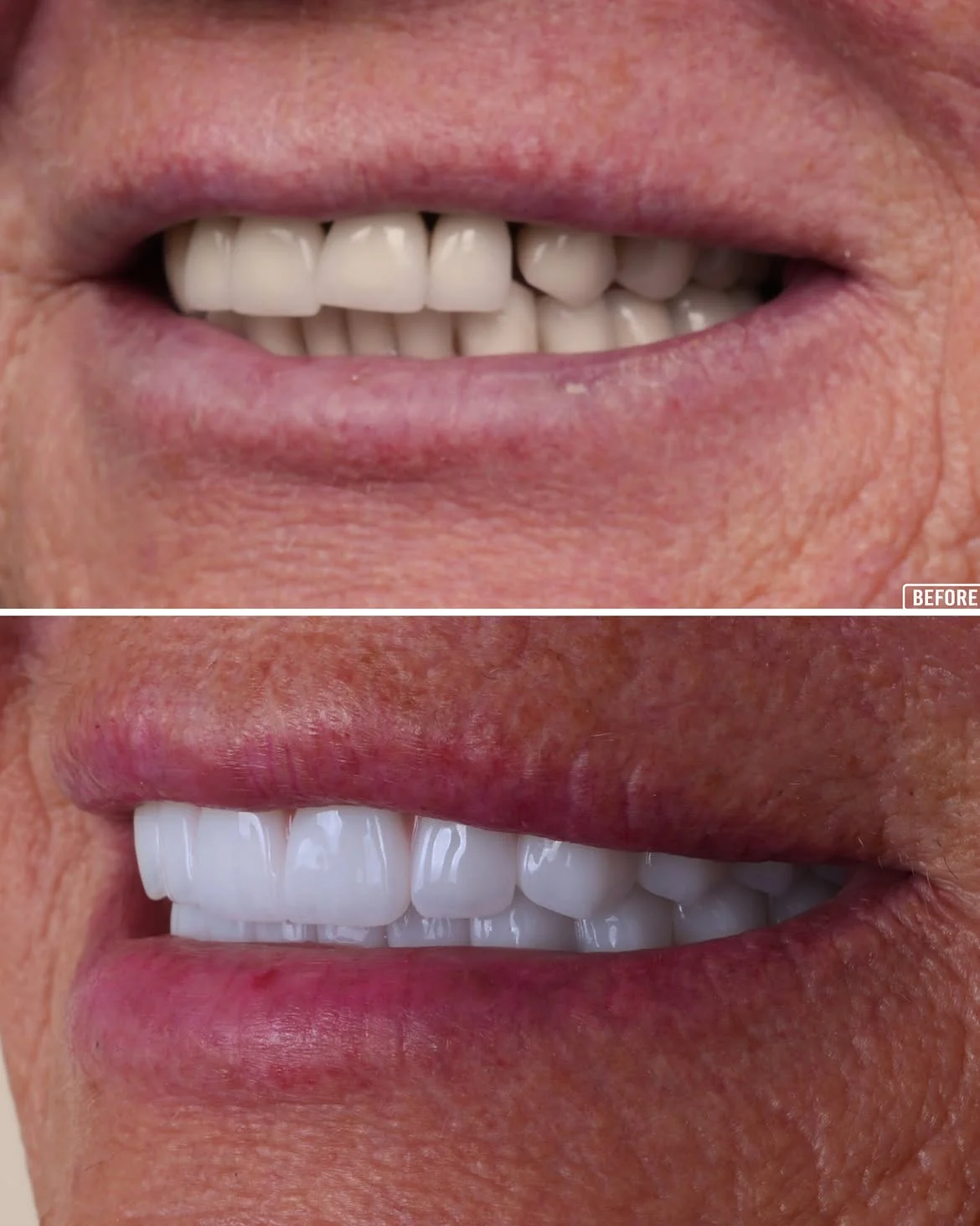
Our patient visited our clinic looking for a permanent solution for her missing teeth but was anxious about the treatment. After a detailed examination, we created a personalized treatment plan and performed All on 6 Implant Treatment under sedation, allowing her to go through the procedure comfortably and stress-free.
10. You're looking for a long-term solution.
Removable dentures and traditional dental bridges are excellent treatment options for many patients but may not fit everyone’s lifestyle.
The long-term benefits of dental implants are:
- They are anchored in place.
- They do not need adhesives.
- They help to preserve the jawbone.
- They are not supported by neighboring teeth.
- They provide good stability for chewing and talking.
- They look and feel like natural teeth.
Dental implants are widely considered the gold standard of modern tooth replacement, giving patients a long-lasting, low-maintenance solution.
Who is a candidate for dental implants in Antalya, Turkey?
Dental implants may be an option for most healthy adults who have one or more missing teeth.
Your dentist will consider several things before suggesting treatment, including:
- General oral health
- Gum health
- Jawbone volume and density
- Medical history
- Smoking habits
- Oral hygiene routine
Even if you’ve been told before that you don’t have enough bone for implants, advances in implant dentistry, including bone grafting and sinus lift procedures, have made treatment possible for many more patients.
The best way to find out if you are a candidate is to have a thorough consultation, including digital x-rays or a CBCT scan.
What happens in dental implant treatment in Antalya, Turkey?
Every patient has a customized treatment plan, but the process usually involves the following steps:
First Consultation
Your dentist will conduct a clinical examination and use high-tech imaging to check your teeth, gums, and jawbone.
Treatment Planning
Your smile goals, oral health, and how many teeth are being replaced are all factored into a personalized treatment plan.
Placement of the implant
The titanium implant is placed in the jawbone under local anesthetic. Most patients say the procedure is more comfortable than they thought it would be.
Healing period
The implant gradually fuses with the surrounding jawbone over the next 3 months, thus offering a stable foundation.
Final Restoration
Once healed, a custom-made dental crown, bridge, or full-arch prosthesis is placed to restore your smile and bite.
Advantages of Replacing Missing Teeth Early in Antalya, Turkey
If you wait to treat a lost tooth, it can make any future dental treatment more complicated.
Replacing a missing tooth as soon as possible can provide the following benefits:
- Maintain jawbone volume
- Prevent the movement of neighboring teeth
- Keep bite alignment correct
- Increase chewing effectiveness
- Restore intelligible speech
- Improve smile aesthetics
- Build self-confidence
- Reduce the need for more extensive and additional procedures
Early intervention generally means easier treatment and a better long-term outcome.
Conclusion
Learning the signs that you may need a dental implant can help you avoid more complicated dental problems down the road. If you have lost a tooth through decay, injury, or gum disease, replacing it quickly can help to protect your oral health, restore normal function, and restore your confidence.
Dental implants replace the tooth's visible part and root, preserving the jawbone and your smile's natural balance. Not all patients need an implant, but many do benefit from this long-lasting, highly predictable treatment.
If you are experiencing any of the signs discussed in this guide, the next step is to schedule a consultation with an experienced implant dentist. A personalized assessment can help you determine if dental implants are the best solution to restore your smile and support your long-term oral health.
Frequently Asked Questions
How do I know if I need a dental implant?
You may be a candidate if you have a missing tooth, a tooth that is too badly damaged to be repaired, difficulty eating, loose dentures, or recurring dental infections. The best way to determine the most appropriate treatment is to have a dental examination.
Is it better to replace a missing tooth straight away?
Ideally, replacing a missing tooth soon after its loss helps prevent bone loss and prevents adjacent teeth from shifting out of place. Every case is different, though, and your dentist will advise you on the most appropriate timing.
Can I get a dental implant years after losing my tooth?
Yes. Even if you lost a tooth many years ago, dental implant treatment is an option. Some patients may require bone grafting prior to an implant if there has been significant loss of bone.
Are dental implants uncomfortable?
Most patients experience only mild discomfort during recovery. The procedure is performed under local anesthetic, and any post-op discomfort can be managed with prescribed or over-the-counter pain medication.
How long do dental implants last?
With excellent oral hygiene, regular visits to the dentist, and a healthy lifestyle, dental implants can last 20-25 years or more. For many, they are a lifetime solution for missing teeth.
Please contact us for detailed information.