

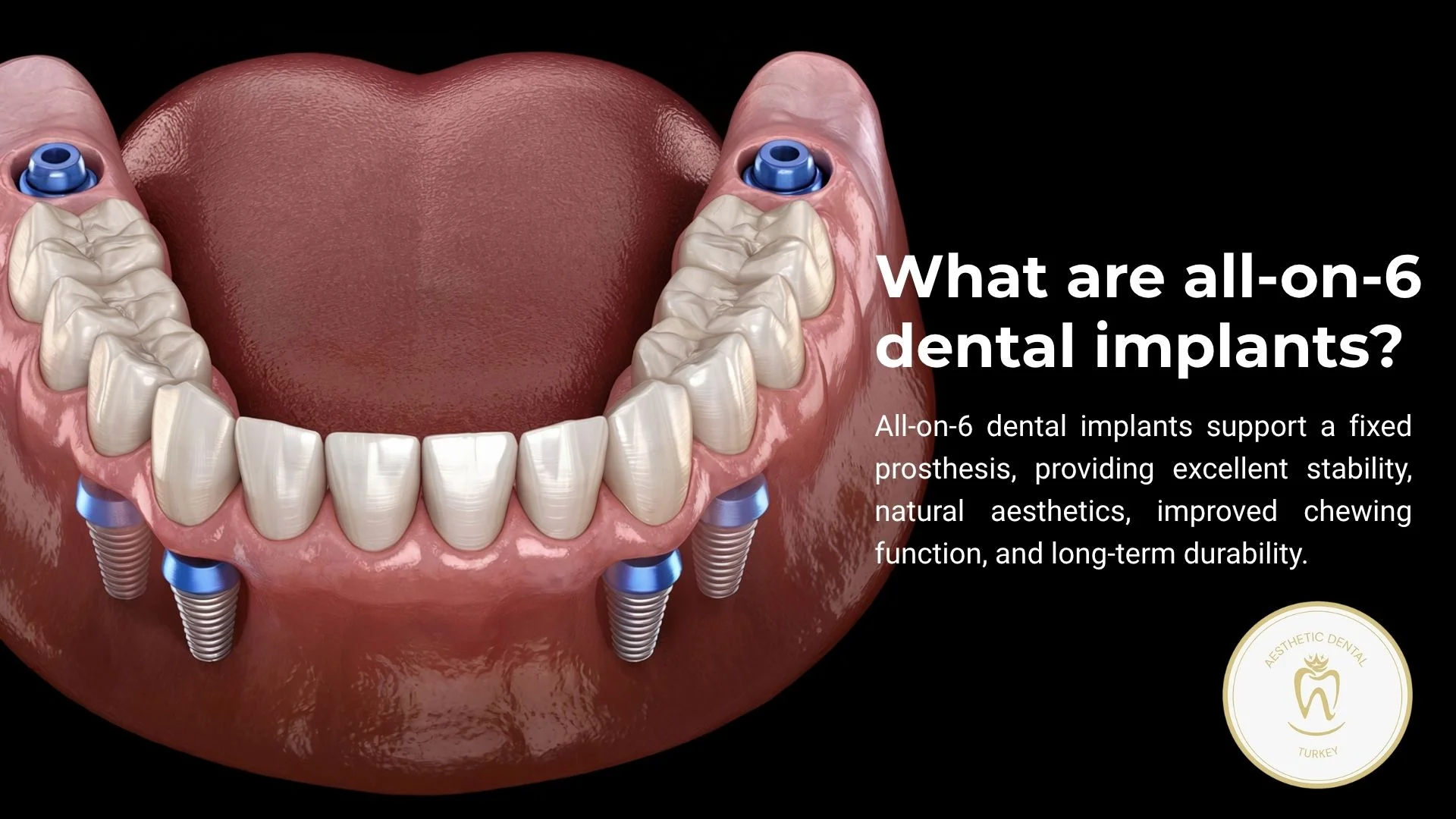
What are all-on-6 dental implants in Antalya, Turkey?
All-on-6 is a contemporary surgical and prosthetic procedure that restores an entire dental arch in cases of complete edentulism or severe tooth loss by strategically placing six dental implants in the jawbone. In this approach, six implants are inserted in either the upper or lower jaw to provide a strong and solid foundation for a fixed prosthesis (bridge) that is bolted onto them.
This approach is a therapeutic option that produces consistent and reliable results and is commonly preferred—especially in cases involving the upper jaw (maxilla), where bone density is lower—due to its biomechanical benefits.
All on 6 dental implants in Turkey, Antalya
Antalya has become one of the world's leading centers for All-on-6 treatment. This treatment involves placing six dental implants into the jawbone to support a fixed prosthesis across the entire dental arch. It is an ideal, permanent solution, particularly for patients who have lost most / all of their teeth or whose teeth need to be extracted due to severe tooth decay, periodontal disease, or bone loss.
In many cases at our clinic, although the majority of our patients still have their teeth, these teeth may be beyond repair, suffer from gum disease, or be loose. By resolving all these issues, patients who wish to avoid further dental problems opt for the "All-on-6" implant treatment as a definitive and long-lasting solution.
Because of that, many specialized dental clinics in Antalya offer All-on-6 treatment for international patients.
Reasons why Antalya is an attractive destination for All-on-6 treatment:
- Cost advantage: You can receive treatment to the same international standards at prices well below those in Europe.
- Comfort and holiday opportunities: You can undergo your treatment while staying in beautiful hotels along the Mediterranean coast. Many clinics also organize accommodation and transfer services.
- Experience and technology: Antalya is home to experienced teams who have been performing this treatment on hundreds of patients for years, as well as state-of-the-art digital dentistry infrastructure.
All on 6 dental implants cost in Turkey, UK, US, and Europe
The table below shows a clear cost breakdown for a single jaw (upper or lower). Please be aware that these are average estimates, and actual prices will vary based on the individual clinic, the brand of implants used (e.g., Medentika, Neodent, Nobel Biocare, Straumann), the material of the final prosthesis (e.g., Zirconia vs. Acrylic), and any additional operations required.
| Country / Region | Estimated Cost (GBP) |
|---|---|
| Turkey (Antalya) | £3,825 – £8,075 |
| United Kingdom (UK) | £11,900 – £29,750 |
| United States (USA) | £17,000 – £39,100 |
| Western Europe (Germany, France, Switzerland) | £9,350 – £19,550 |
| Eastern Europe (Hungary, Poland) | £6,800 – £12,750 |
All on 6 Advantages in Antalya, Turkey
The advantages of All-on-6 dental implant treatment are as follows:
- The prosthesis is supported and anchored by six strategically placed dental implants, providing considerably higher stability than techniques such as All-on-4, which employ fewer implants.
- The fixed prosthesis enables patients to chew almost as effectively as with natural teeth, without the movement or instability often associated with removable dentures.
- The implants replicate the way natural tooth roots stimulate the jawbone, helping to maintain the bone volume and density; this procedure helps preserve facial structure and reduces the risk of a prematurely aged appearance.
- In most cases, existing bone can be utilized to the fullest without the need for additional surgery such as sinus lifts or bone grafts (bone powder) because the implants are put where the bone is densest.
- In many protocols, patients can be equipped with temporary fixed prostheses on the same day as the implant placement (immediate loading), and patients do not have to be without teeth during the healing phase.
- These prostheses are designed to completely match the form of the face of the patient and the smile line. These prostheses are designed to closely replicate the appearance of natural teeth.
- Biocompatible titanium implants can last for decades, if not a lifetime, because they are designed to integrate with the jawbone through osseointegration when accompanied by proper oral hygiene and maintenance.
- The use of six implants spreads chewing forces across a larger region, lowering the strain on each implant and giving the prosthesis a stronger, more durable structure.
- A larger number of implants reduces concerns such as screw loosening and implant overloading by shortening the unsupported extensions (cantilevers) at the back of the prosthesis.
- They do not exert pressure or cause discomfort like removable dentures do or need glue on the palate. This greatly improves patient comfort.
- It is a more economical and dependable option for complete arch repair, since it needs less surgical work than replacing each tooth with an implant.
- Eliminating the social shame and speech obstacles caused by tooth loss greatly improves patients’ self-confidence and overall quality of life.
All-on-6 vs. Traditional Implants in Antalya, Turkey
In the classic full-mouth restoration, several separate implants are placed for each tooth or bridge abutment. In some cases, additional surgical procedures are required, such as sinus lifts or bone grafting procedures, in areas with insufficient bone volume. The All-on-6 method, however, takes advantage of crucial areas with the highest bone density, giving a ‘graft-free’ approach that eliminates the need for these additional and invasive procedures in most cases.
- Traditional protocols involve a long timeline of many months for the healing of bone grafts and placement of many implants. However, the All-on-6 technique is designed to be faster and more efficient. In many situations, a temporary fixed prosthesis can be fitted on the same day as implant insertion (quick loading).
- The restoration of a whole dental arch (one implant per tooth) with traditional techniques is costly because of the amount of materials used and the number of surgeries needed. All-on-6 can support an entire arch with just 6 implants, which reduces the overall operations and is a more affordable choice.
- Traditional removable dentures typically provide lower chewing efficiency than implant-supported restorations, whereas the all-on-6 system distributes chewing pressure equally over the bone by use of six implants. The denture is given a tougher and more durable foundation (substructure), which decreases the likelihood of mechanical difficulties, especially in the upper jaw, where the density of the bone is low.
- Both techniques stimulate the bone to prevent resorption, but the All-on-6 is strategically placed to preserve the alveolar bone volume and facial collapse, notably in edentulous mouths.
- Traditional removable solutions (dentures) can lead to tissue irritation and stability problems. All-on-6 offers a completely fixed structure, providing the patient with a sense of security and the feeling of having their own natural teeth.
What is the best material for all-on-6 implants in Antalya, Turkey?
Implant body (titanium)
The most widely used and successful material for implants implanted in the jawbone is commercially pure titanium. Titanium is selected for its resistance to corrosion, its biocompatibility, and its ability to link directly with the bone tissue (osseointegration).
Prosthetic framework
Titanium, zirconia, and cobalt-chromium frameworks each have distinct biomechanical properties, and the most suitable option depends on the individual clinical case.
Restoration of aesthetics
The section of the prosthesis that is visible in the mouth is commonly made from zirconia ceramic, metal-supported porcelain. For permanent restorations, zirconia ceramic restorations are the favored choice, providing a natural-looking appearance with exceptional durability.
Temporary repairs
Acrylic resin (PMMA) temporary prostheses are typically utilized during the healing phase. Acrylics manufactured by contemporary CAD/CAM technology have better flexural strength and hardness than those made by previous methods.
Hybrid Options
Implant-supported detachable acrylic resin prostheses may also be a good choice in some patients, especially where lip support is needed or hygiene issues are present.
What is all-on-6 Technique in Antalya, Turkey?
This is a more developed version of the original All-on-4 concept. The two additional implants are based on the notion of strategically using the existing bone and provide more stability, support, and lifespan. Posterior implants may be angled when clinically necessary to maximize available bone and avoid anatomical structures.
The All-on-6 treatment procedure:
First consultation and planning
- Detailed investigation of your jawbone with CBCT tomography (3D imaging)
- Planning the implants place in a digital environment
- Review of your medical history
- Treatment plan and price estimate
Placement of surgical implants
- Anesthesia: Local anesthetic or intravenous (IV) sedation
- Tooth extractions: Any remaining bad teeth are removed.
- Implant placement: 6 implants are inserted into the jawbone.
- Abutment attachment: Screw on healing abutments or multi-unit abutments onto the implants
- Temporary prosthesis: An immediate temporary fixed bridge is fastened on the implants.
Bone integration (healing period) 3 months
- The implants fuse with your jawbone (osseointegration).
- You will use the temporary denture during this period.
- It is recommended that you eat soft foods.
- Regular check-ups to monitor healing.
Fitting of the permanent prosthesis
- The temporary prosthesis is removed.
- Final impressions are taken.
- The permanent zirconia or acrylic bridge is manufactured in the dental laboratory.
- The permanent bridge is screwed onto the implants (secured).
All-on-6 dental implant problems in Antalya, Turkey
Potential issues may include:
Surgical and healing complications
- Pain and swelling (normal, lasts 3–7 days)
- Bleeding (usually mild; rarely severe)
- Infection (treated with antibiotics, occurs in 1–3% of cases)
- Nerve damage (numbness of the lip, jaw, or tongue in the lower jaw; usually temporary, very rarely permanent)
- Sinus membrane perforation (It may occur during surgery and is typically managed by the surgeon when detected.)
- Early implant loss (bone does not fuse; occurs in 2–5% of cases)
- Hematoma (severe swelling; rare)
Prosthesis (Bridge) issues
- Fracture of acrylic bridge (more common if the patient clenches their teeth)
- Breakage of a zirconia bridge (extremely rare, less than 1 percent)
- Screws coming loose (may happen over time due to chewing pressures)
- Breaks in porcelain or acrylic teeth (bite on hard meals)
- Bad fit of the prosthesis (food may accumulate in gaps beneath the prosthesis)
- Cosmetic concerns (teeth overly long, bulky, or unnatural-looking)
Hygiene and maintenance difficulties
- Food impaction (under the bridge and in between implants)
- Bad breath (accumulation of food detritus and microorganisms)
- Peri-implant mucositis (inflammation of gums; reversible)
- Peri-implantitis (a serious complication, bone loss around the implant; this is the main cause for long-term implant loss)
- Hard to clean (special instruments needed: water flosser, interdental brush)
Biological concerns in the long term
- Bone loss (1–2 mm in the first year is typical; more than that is a problem)
- Implant fracture (extremely rare, <1%)
- Metal allergy (extremely rare; titanium is hypoallergenic)
- Late implant failure (after years owing to peri-implantitis or high loading)
- Damage caused by grinding teeth (bruxism) (bridges can crack, and screws can come loose)
Who is most likely to have a problem?
- Smokers (2–3 times higher risk of implant failure)
- People with poorly controlled diabetes
- People with weak bone quality
- Immunocompromised patients
What can be done to avert problems?
- Select an experienced surgeon
- Get a 3D CBCT scan
- Don’t smoke much (or quit)
- Control your diabetes
- Visit your dentist every 6 months
- Use a night guard (if you grind your teeth)
All on 6 Dental Implant Reviews in Antalya, Turkey
All-on-6 dental implant treatment reviews and clinical outcomes indicate that this procedure is a very predictable and successful solution for the rehabilitation of fully edentulous patients.
The main results of the All-on-6 treatment:
- High rates of success and survival: Clinical studies have shown very high long-term success rates for the all-on-6 system. Survival rates of 90–100% in the mandible and 80–95% in the maxilla have been recorded for such full-arch restorations in long-term follow-ups (15 to 30 years).
- Aesthetic satisfaction: The natural and aesthetic look achieved with the customization of prostheses to the patient’s facial structure and smile line immediately affects the patients’ self-confidence and social interaction.
- All-on-6 vs. All-on-4: All-on-6 may offer biomechanical advantages over All-on-4 in selected cases, particularly in the maxilla. In the presence of 6 implants, chewing forces are distributed across a greater region; hence, each implant is less loaded, and the danger of biomechanical issues is reduced.
- Facial structure and bone preservation: All-on-6 implants stimulate the jawbone and prevent bone loss after tooth extraction. This stops the face from looking ‘sunken’ and helps preserve a more youthful facial appearance.
- Immediate function and comfort: Temporary prosthesis can be fitted on the day of the procedure (immediate loading). This means patients feel quite comfortable because they do not have to be without teeth.
- Durability and value for money: Titanium implants can last for decades or a lifetime after osseointegration (fusing with the bone). The initial cost of this approach is considerable, but studies indicate that it is durable in the long term, therefore guaranteeing a great cost-benefit ratio.
Reviews for Aesthetic Dental Clinic:
- According to publicly available patient reviews; customers consistently highlight the professionalism, care, and kindness of the staff, making them feel comfortable and at ease throughout their treatment. The quality of the work, especially for crowns and implants, is frequently praised, with many expressing satisfaction with the natural-looking and perfect results. Reviewers also appreciate the seamless organization, from airport transfers to hotel stays and appointments, noting the clinic's modern and spotless environment. For more info please click here.
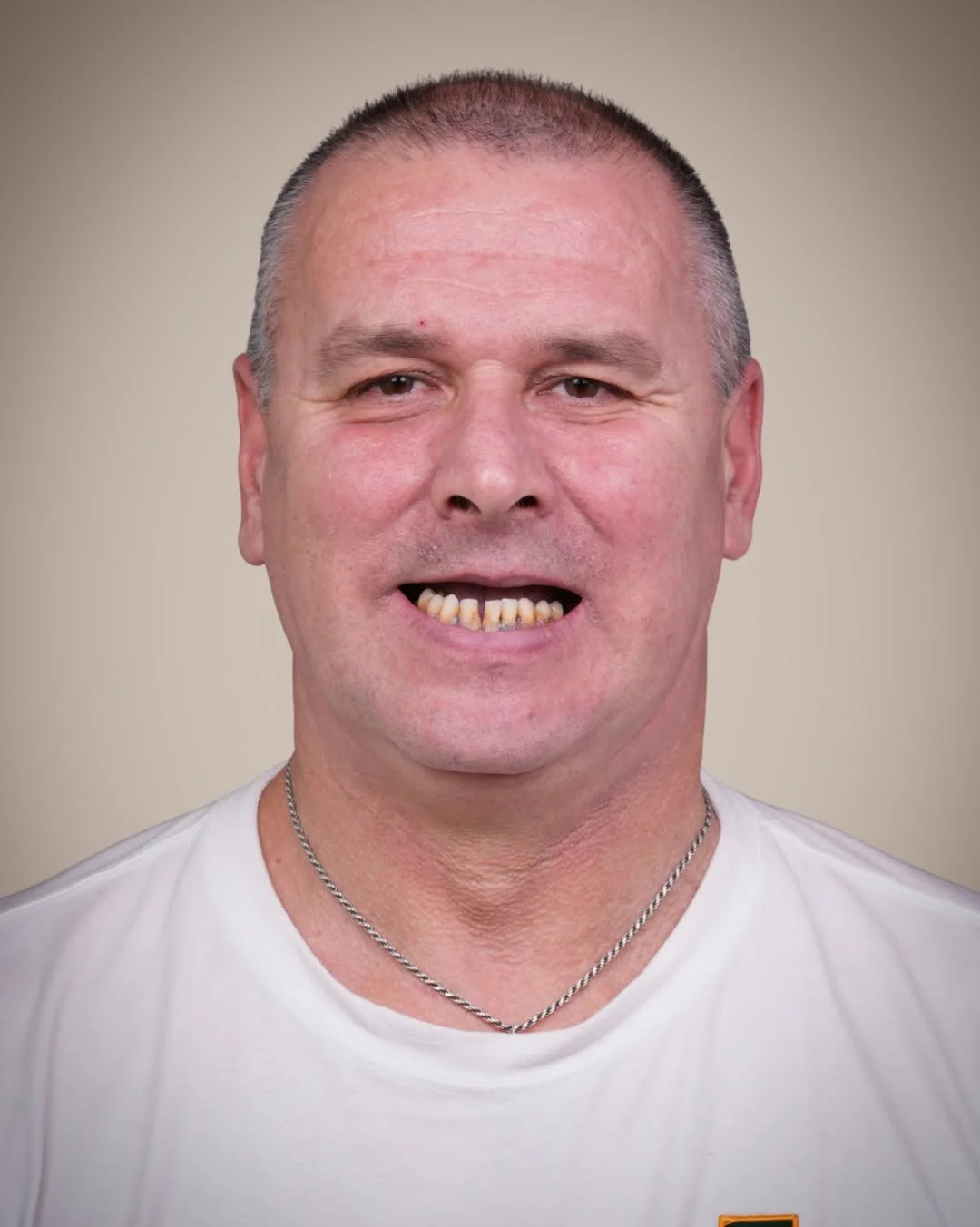
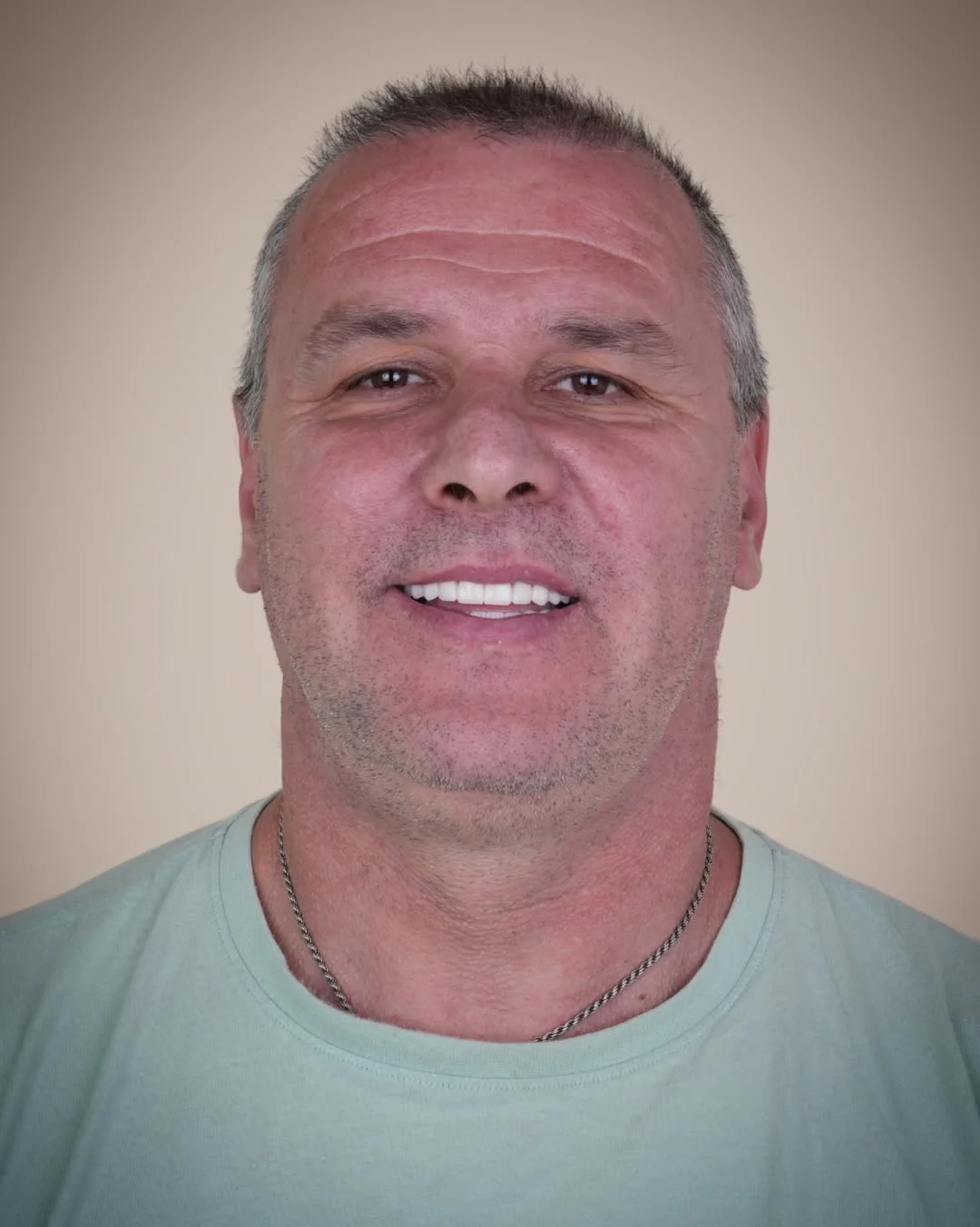
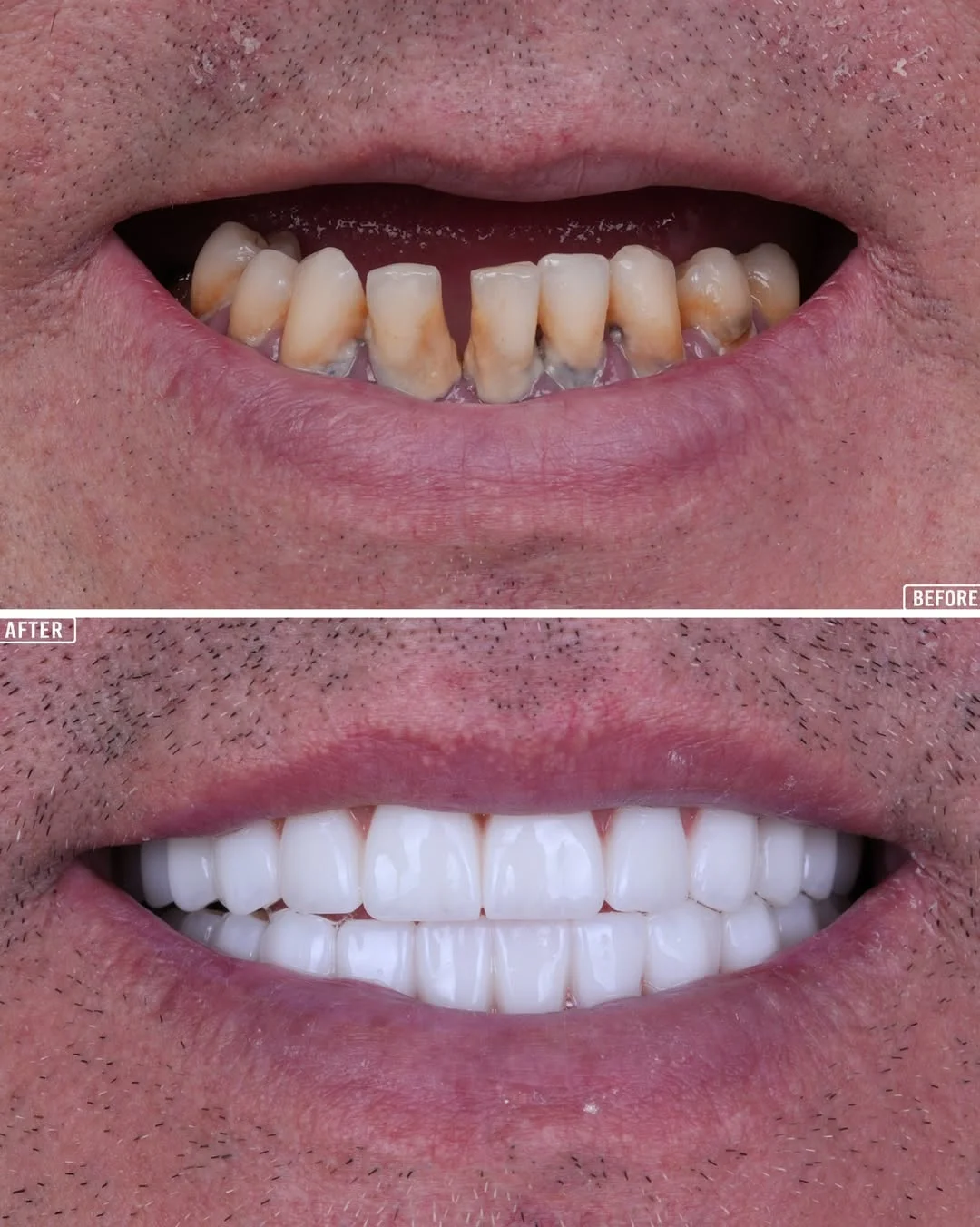
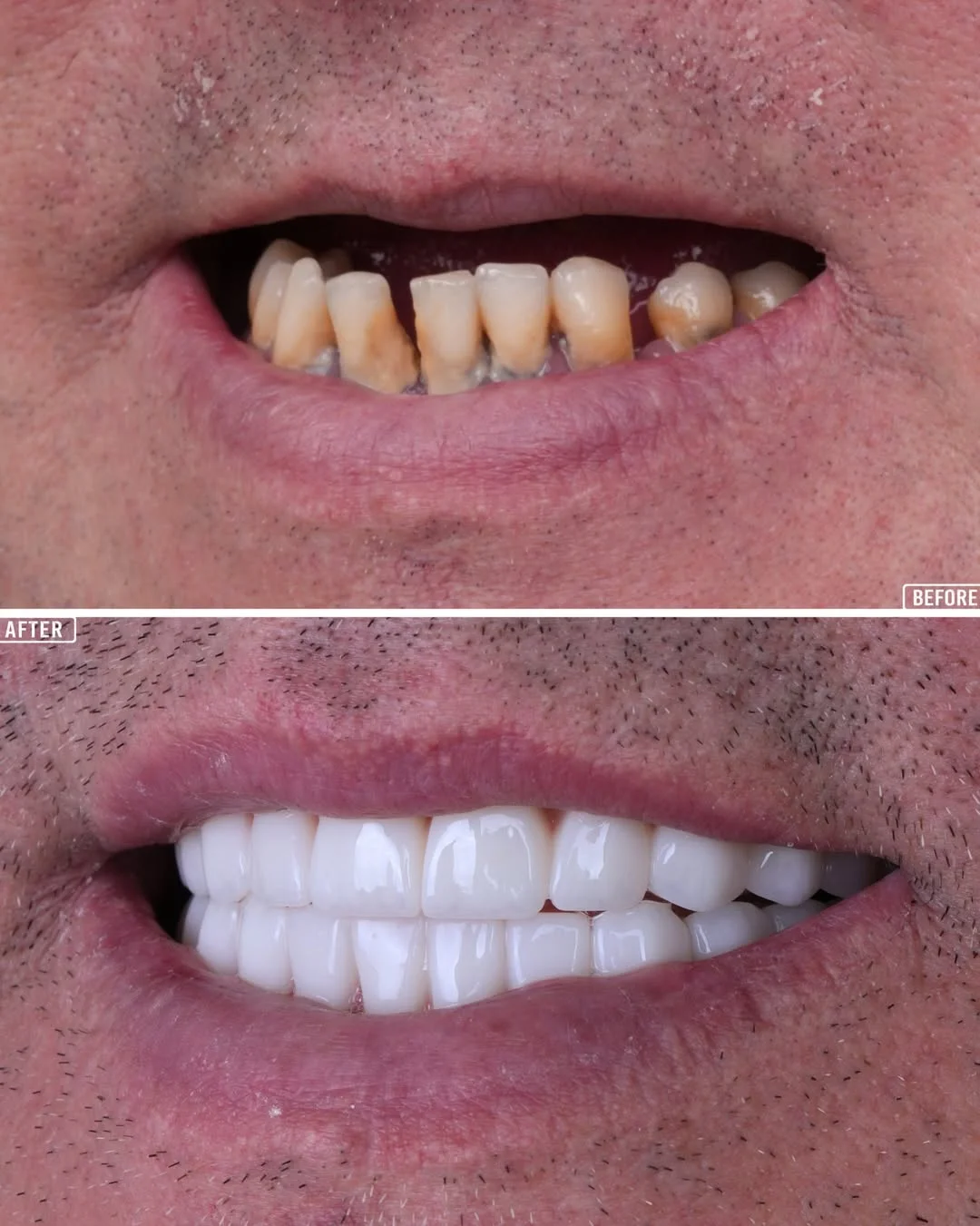
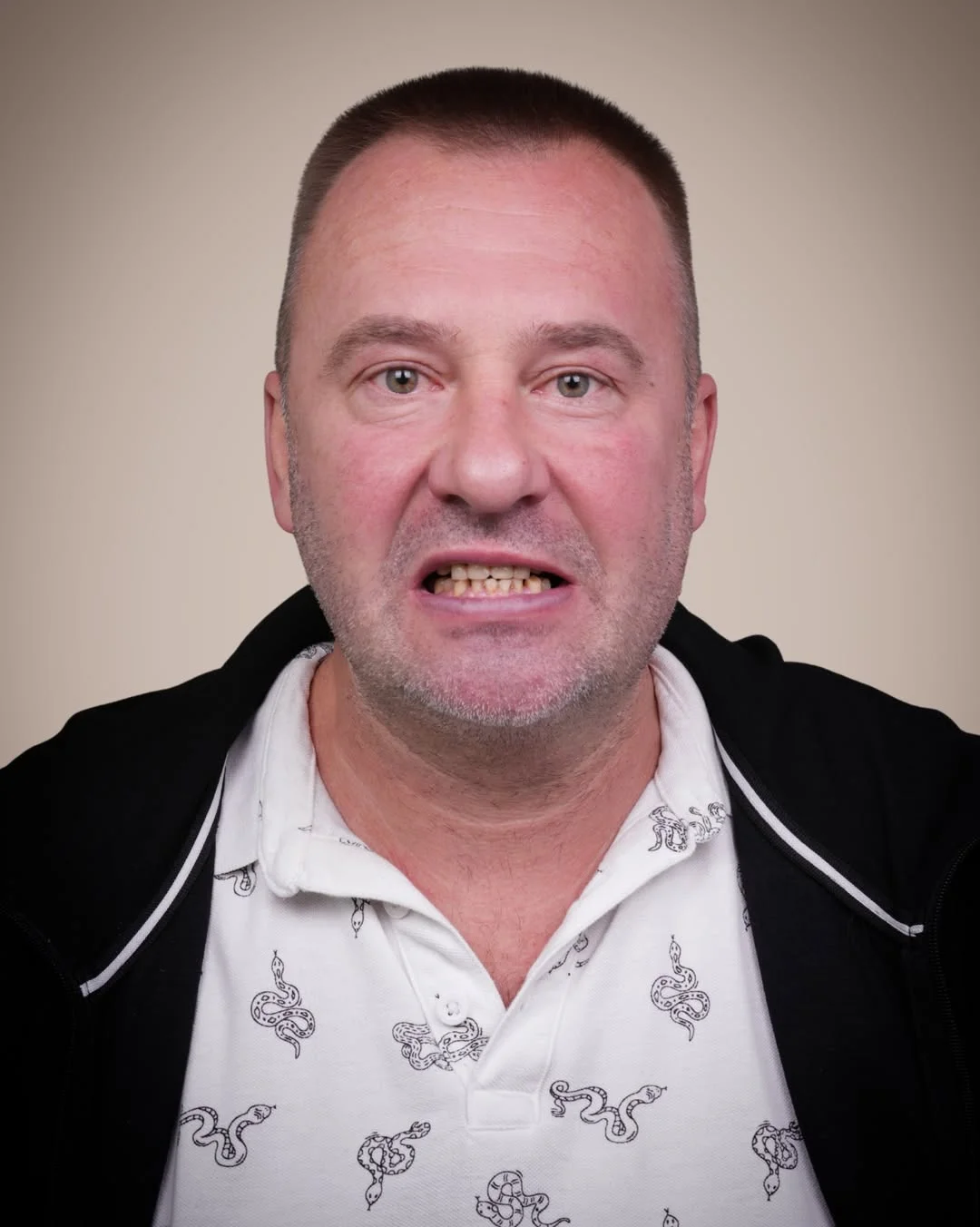
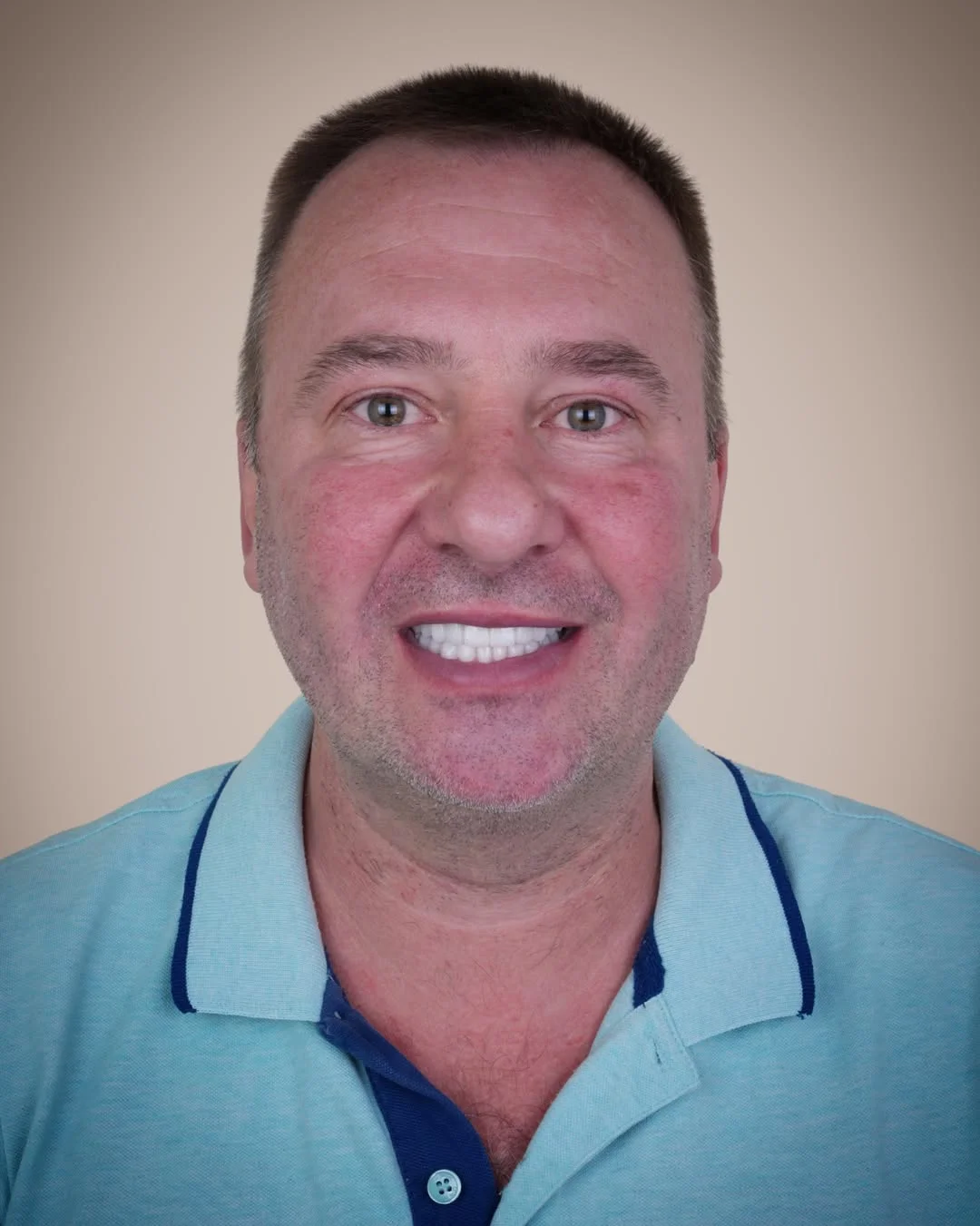
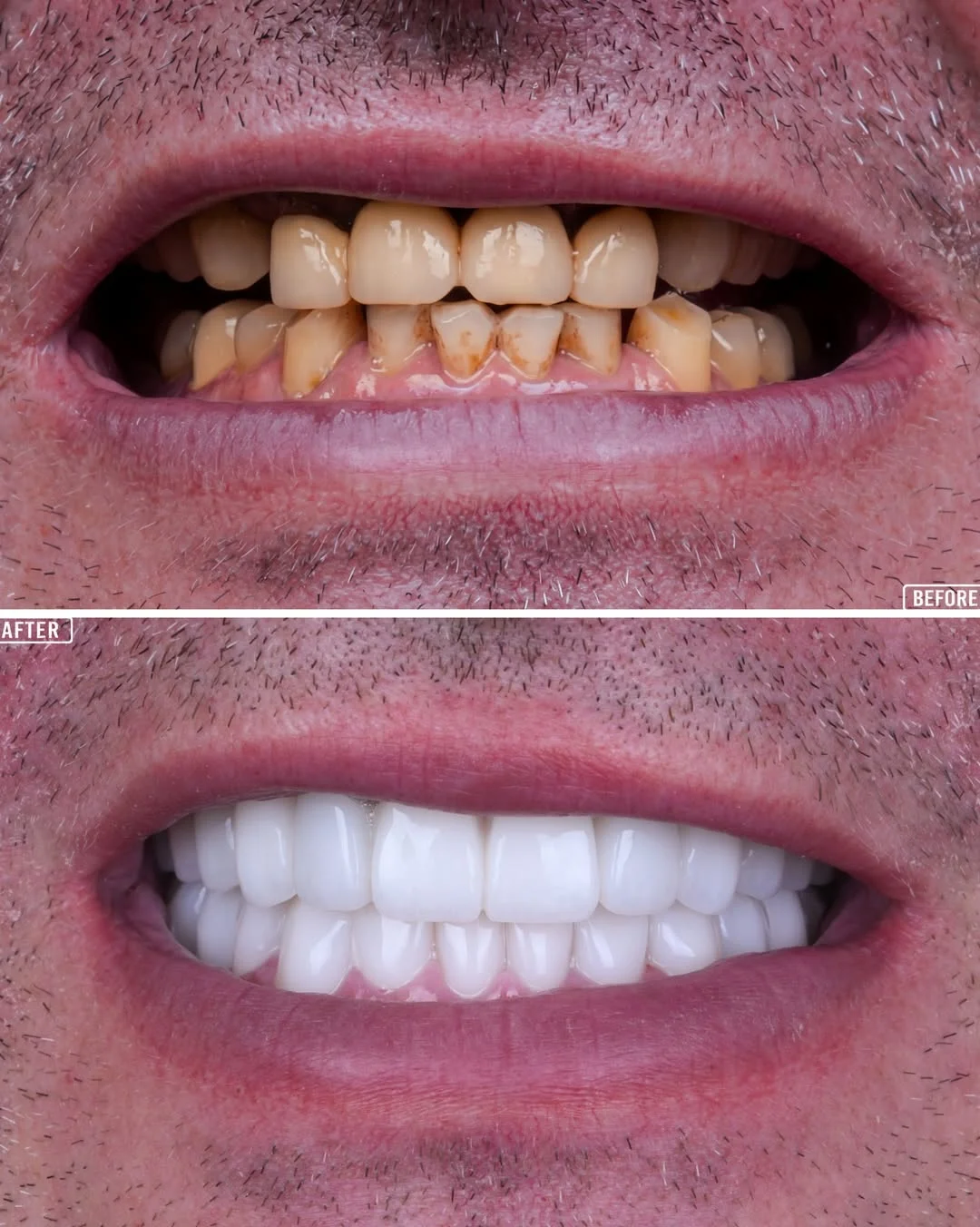
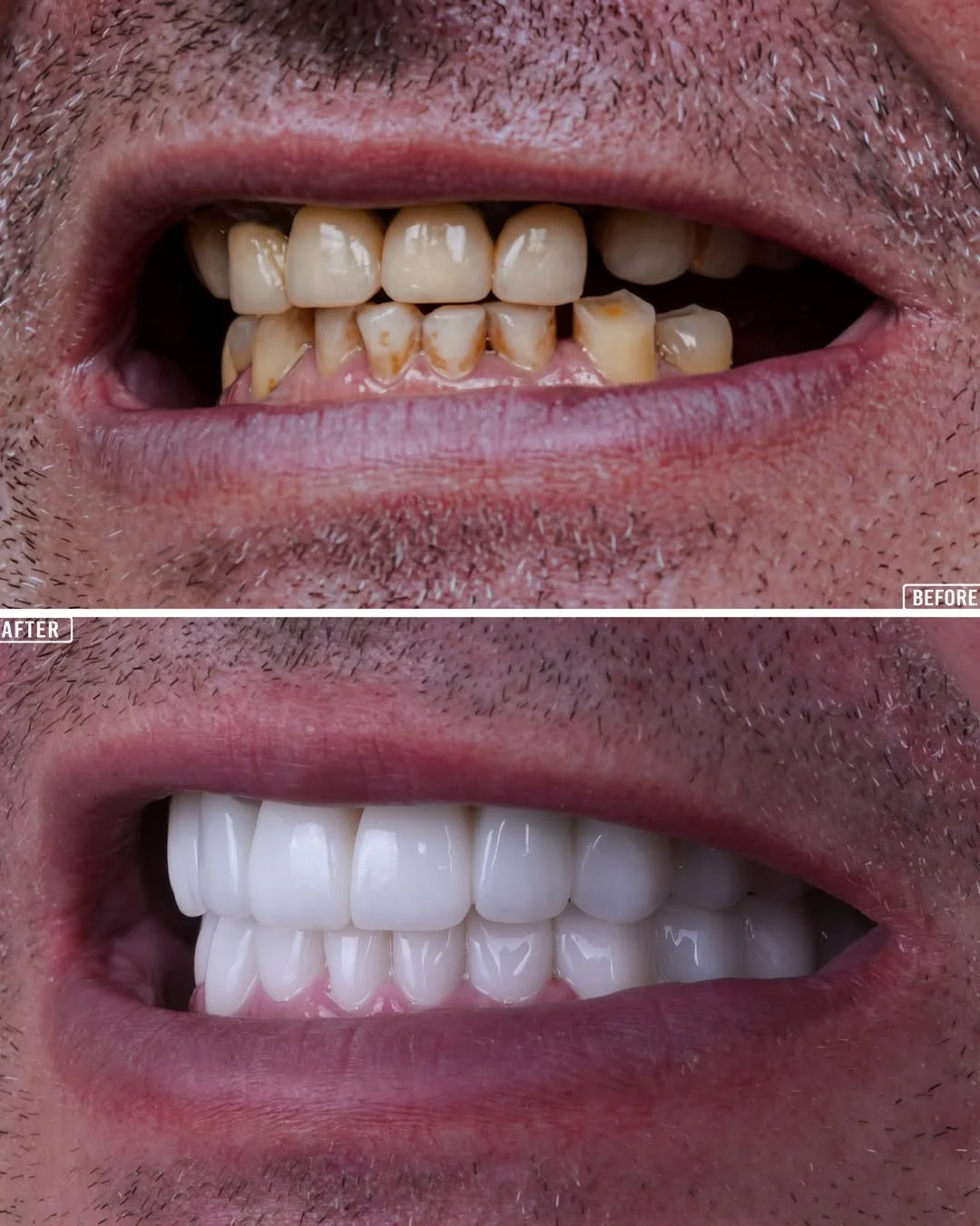
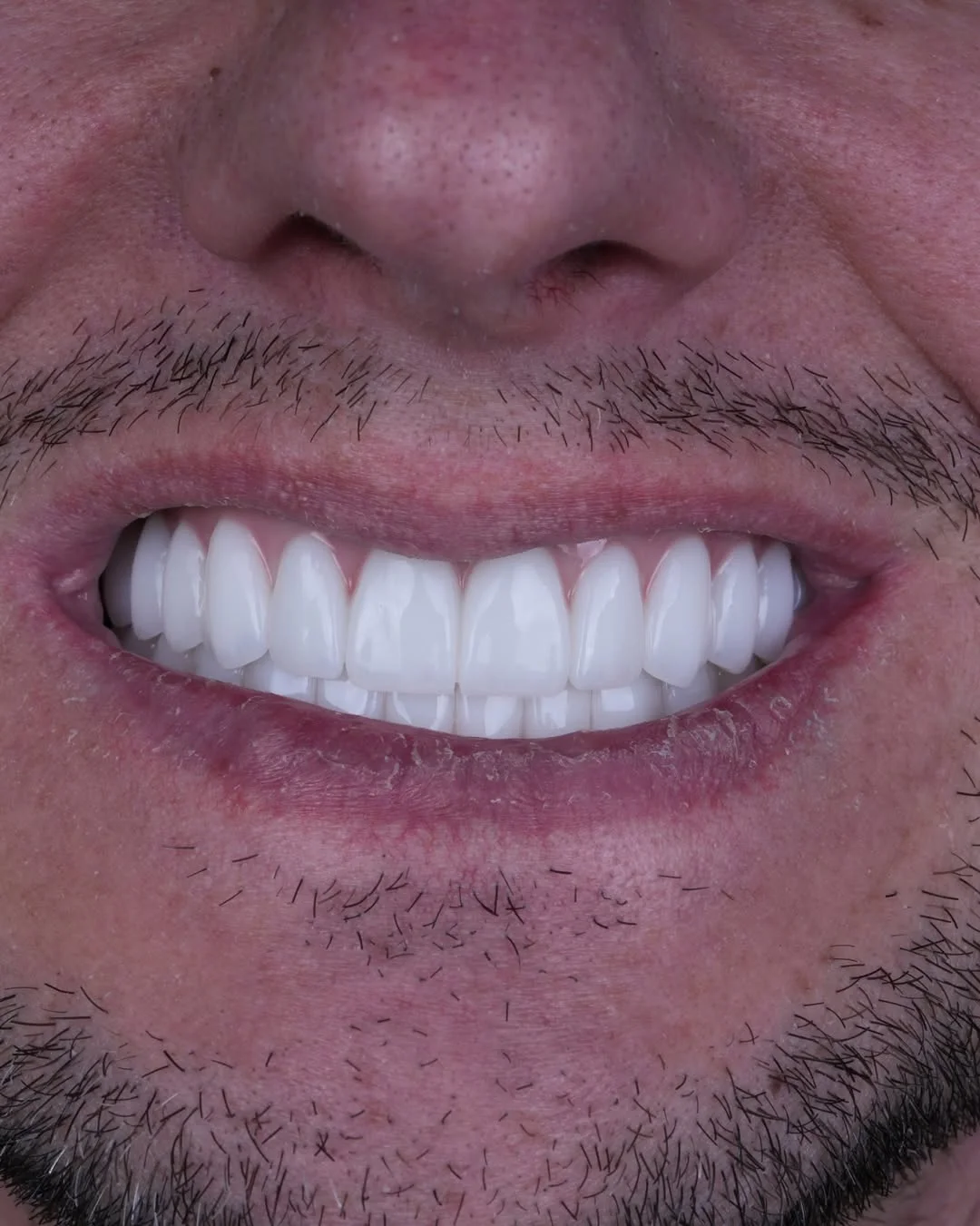
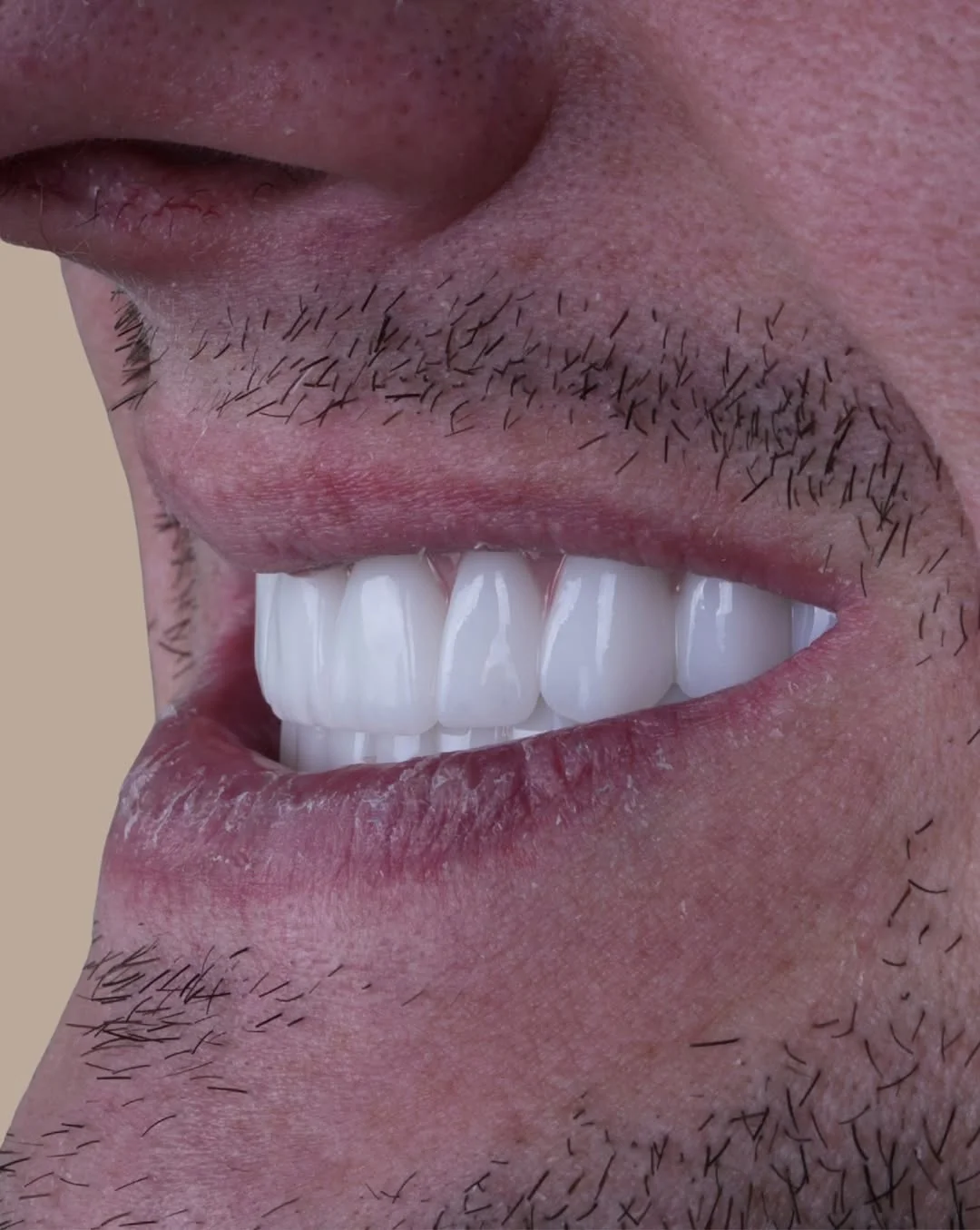
All-on-6 dental implants before and after in Turkey, Antalya


How many implants are required for a full arch in Antalya, Turkey?
Following a complete CT scan and evaluation by your dentist, they will decide the number of implants you need.
- The amount of implants needed to restore a whole arch (upper or lower jaw) depends on the technique performed, the patient's bone condition, chewing habits, and budget. At the lowest level, 2 to 4 implants may be enough to increase the retention of a removable denture, although this denture can be removed and reinserted by the patient himself, and the chewing efficiency is only about 30–40% compared with natural teeth.
- The “All-on-4” procedure requires at least 4 implants and is an optimal choice for individuals with minimal bone volume and can offer about 80% chewing efficiency and a lifespan of about 20–25 years. But the most desired and acknowledged way today is the all-on-6 methodology. In this technique, 6 implants are inserted in each jaw. All-on-6 provides chewing performance that is significantly closer to natural teeth than removable dentures.
- Eight implants can be inserted in each jaw for patients requiring even more support, notably those with a wide jaw structure, very strong chewing forces, or those desiring maximal durability (All-on-8). This procedure has a high chewing effectiveness and a very long lifespan of 25-30 years, but it requires a high bone density and is the most expensive alternative.
Who is a good candidate for all-on-6 dental implants in Antalya, Turkey?
All-on-6 treatment is generally performed on the following patients:
- People who have lost all their teeth in the upper or lower jaw.
- Patients whose teeth need to be extracted due to severe tooth decay, periodontal disease, or bone loss, even if they still have teeth.
- Patients with loose teeth and a poor long-term prognosis.
- Patients who, even if their teeth are treatable, do not wish to undergo numerous root canal treatments, extractions, implants, and crowns and who prefer a more permanent and predictable solution in a single procedure.
- People who do not wish to use removable dentures and prefer fixed teeth.
- Patients with sufficient bone volume in their jaw to accommodate six implants.
- Individuals seeking a more economical and practical solution rather than having numerous implants fitted.
Recovery after all-on-6 implant surgery in Antalya, Turkey
Recovery from All-on-6 implant surgery is generally a simple process. In the first few days some mild swelling, discomfort, and bruising may occur and can usually be managed with prescribed medication. Most patients resume their normal daily activities within a few days, although a soft-food diet is recommended during the initial healing phase. Generally, the implants take about 3 months to completely fuse with the jawbone in a process called osseointegration.
How to care for all-on-6 dental implants in Antalya, Turkey?
All-on-6 dental implants require proper maintenance for long-term success. Patients are advised to brush twice daily, use interdental cleaning devices or a water flosser, and see their dentist regularly for checkups and professional cleanings. Maintaining good oral hygiene is a way to prevent peri-implant diseases and to keep the implants and prosthesis healthy and functional for many years. In addition, avoiding smoking and eating a healthy diet may improve long-term results.
Frequently Asked Questions
How long do All-on-6 implants last in Antalya, Turkey?
| Component | Expected Lifespan |
|---|---|
| Titanium Implants | Lifetime (with regular maintenance) |
| Zirconia Bridge | 20–25+ years |
| Acrylic Bridge | 10–15 years |
| Screws (Maintenance Components) | Typically replaced every 3–5 years during routine check-ups |
Which is better, All-on-4 or All-on-6 dental implants in Antalya, Turkey?
The All-on-6 treatment is usually recommended for the upper jaw (maxilla). In general, the maxilla bone is less thick, with a thinner cortex, than the mandible. Some studies suggest that all-on-6 may provide improved load distribution and stability in selected maxillary cases. The two extra implants in the All-on-6 design provide better stability and load distribution and generally minimize the need for "cantilevers," thus reducing the danger of mechanical failure.
All-on-4 is normally good enough for the lower jaw. The bone of the mandible is denser. Thus, 4 implants can be used with remarkable success rates. If there isn’t enough bone volume, All-on-4 is usually a more affordable and less invasive option, as it uses angled posterior implants, which means extensive grafting is avoided.
Why are all on 6 dental implants so affordable in Turkey, Antalya?
The main reasons why implant prices are affordable in Turkey are as follows:
| Reason | Explanation |
|---|---|
| Exchange Rate Advantage | Low value of the Turkish Lira helps reduce treatment costs for international patients. |
| Low Operating Costs | Lower expenses for rent, salaries, laboratory services, and utilities compared to many Western countries. |
| High Patient Volume | Thousands of international patients receive dental treatment in Turkey each year, improving efficiency and reducing costs. |
| Competition | A large number of clinics compete for patients, helping keep prices competitive. |
| Government Incentives | Tax advantages and support programs encourage the growth of health tourism. |
| Implant Brand Variety | Clinics can offer premium, mid-range, and budget implant systems to suit different needs and budgets. |
| Experience and Speed | Surgeons have performed a high number of implant cases, allowing for efficient treatment and predictable outcomes. |
Turkey has become a popular destination for dental implant treatment due to its ability to offer high-quality care at more affordable prices than many Western countries. The lower cost is largely driven by reduced operational expenses, including clinic overheads, staffing costs, and laboratory fees, rather than any compromise in treatment quality.
Many Turkish dental clinics work with globally recognized implant manufacturers, modern digital dentistry technologies, and highly experienced implant specialists. Because overall business costs are lower, clinics can provide advanced treatments at significantly lower prices than those typically found in the UK, the United States, and much of Europe.
Another important factor is the large volume of international patients seeking dental care in Turkey each year. This high demand allows clinics to operate efficiently while maintaining strict clinical standards. As a result, patients can often access comprehensive treatment packages that may include accommodation, airport transfers, and personalized support services, all at a considerably lower cost than comparable treatments abroad.
Are all on 6 dental implants worth it in Turkey, Antalya?
Yes, All-on-6 dental implants are definitely worth it for most individuals who have experienced total tooth loss. It has a great balance of affordability, stability, longevity, and quality of life. Whether or not it is worth it to you depends on your personal position, budget, and expectations.
Most patients who require a full-arch restoration consider All-on-6 dental implants a worthwhile investment. They provide you with great chewing strength, a natural look, long life, and a permanent repair that takes away the annoyance of removable dentures.
The upfront cost is greater than dentures or All-on-4, but the long-term value, quality-of-life advantages, and durability make it a worthwhile investment. But it’s not for everyone. Patients with significant bone loss, poor health, or tight budgets may be better served by alternatives.
Please contact us for detailed information.